Cold weather brings more than low temperatures—it also creates a new set of distractions that can challenge even well-trained dogs. Snow piles, icy scents, wildlife activity, and unfamiliar winter gear can pull your dog’s focus in every direction. But with the right techniques, you can keep your dog attentive, confident, and responsive throughout the season.
This guide explains why winter distractions happen and how to keep your dog focused despite the cold.
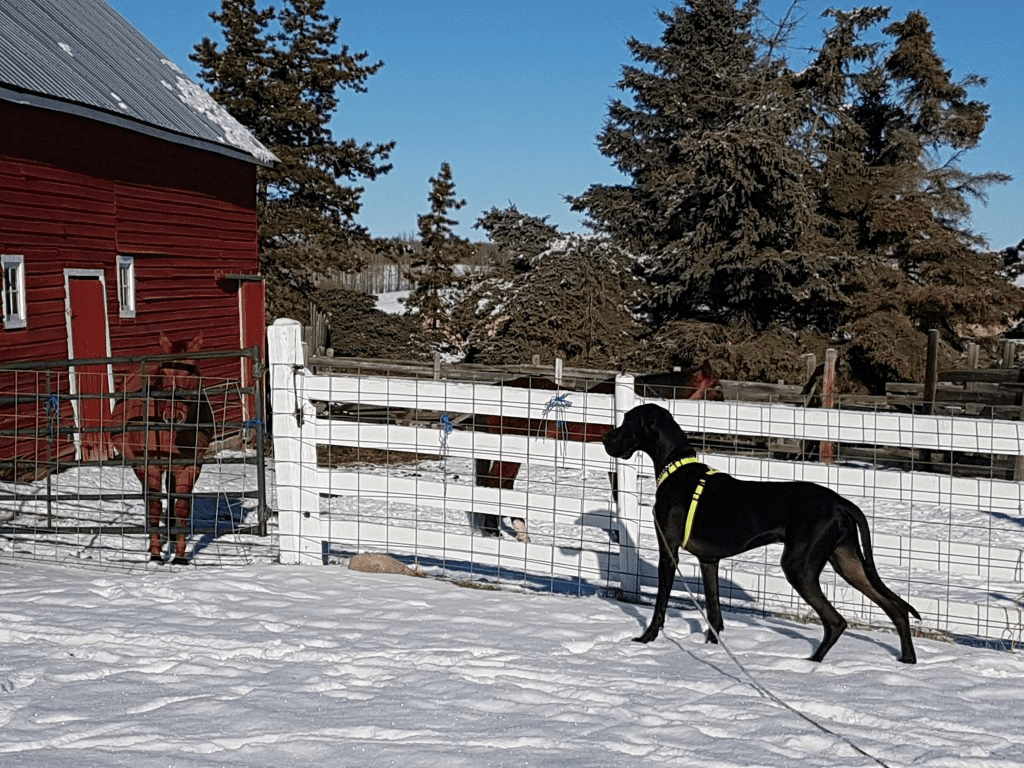
Why Winter Makes Dogs Lose Focus
Winter introduces a variety of unique sensory experiences:
- Stronger scents: Cold air holds scent differently, making smells more intense.
- Noise changes: Crunching snow, wind, and plows can startle or excite dogs.
- Environmental challenges: Ice, deep snow, and cold temperatures can affect mobility and comfort.
- Low visibility: Early darkness and shifting light can increase alertness or anxiety.
Recognizing these factors helps you tailor your training approach.
1. Start with a Proper Warm-Up
Cold muscles can make dogs tense and less responsive.
Quick pre-walk warm-ups:
- Light indoor fetch
- Short tug session
- Sit-to-stand repetitions
- A few minutes of heel practice inside
This boosts circulation and helps your dog start the walk calm and focused.
2. Use High-Value Rewards in the Cold
In chilly conditions, your dog may be more eager to rush or explore. Stronger rewards help maintain attention.
Ideal winter rewards:
- Freeze-dried meat pieces
- Small cheese bites
- Warm, low-sodium broth in a spill-proof container (for short sessions)
Reserve these for outdoor winter training to keep motivation high.
3. Shorten Sessions to Match the Weather
Cold weather reduces your dog’s ability to concentrate for long periods. Instead of long outdoor sessions, break training into short, focused bursts.
Example:
- 3–5 minutes of heel work
- 2-minute recall practice
- Break inside to warm up
Consistency matters more than duration.
4. Reduce Distractions by Choosing the Right Spaces
Snowplows, kids sledding, and wildlife tracks can overwhelm your dog’s attention. Start in quieter areas.
Good winter training zones:
- Cleared walking paths
- Schoolyards after hours
- Quiet residential blocks
- Parks with low foot traffic
As your dog improves, gradually reintroduce more challenging environments.
5. Practice “Look at Me” and “Leave It” Daily
These two commands are winter essentials.
Look at Me:
Teaches your dog to return focus to you when distractions arise.
Leave It:
Helps you manage tempting winter stimuli like frozen food scraps, branches, or snowballs.
Practice both indoors first, then move outside when your dog is ready.
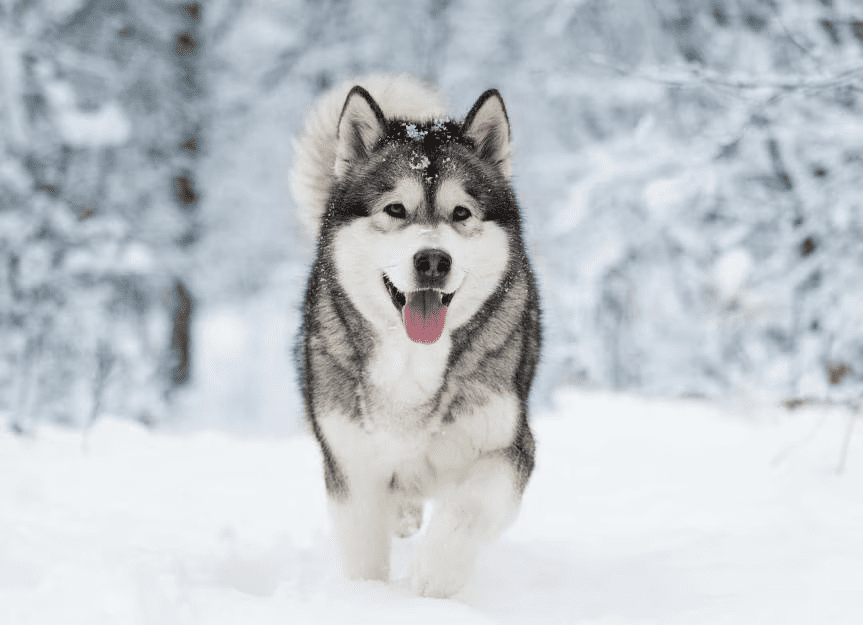
6. Dress for Comfort and Focus
If your dog is uncomfortable, focus becomes difficult. Appropriate winter gear improves attention and reduces stress.
Consider:
- Insulated dog coat for short-haired breeds
- Boots to reduce cold sensitivity and paw irritation
- Paw balm for protection from ice melt chemicals
A warm, comfortable dog is far more responsive during training.
7. Use Mental Stimulation on Days That Are Too Cold
When temperatures are unsafe, keep training indoors.
Effective indoor focus activities:
- Nose work games (hide-and-seek with treats)
- Obedience refreshers (heel, stay, come)
- Place/bed training
- Interactive puzzle toys
Mental work tires dogs out and sharpens focus, even without going outside.
8. Keep Your Own Movements Calm and Clear
In winter, dogs look to you for cues. Quick, tense movements can increase their alertness or anxiety. Move deliberately and speak clearly.
Try:
- Slowing your pace
- Using consistent verbal cues
- Rewarding calm behavior frequently
Your composure becomes your dog’s anchor.
Ready to unleash your dog’s potential? Visit Off Leash K9 Training of Hampton Roads to explore our expert training programs that promise exceptional obedience and a strong bond with your canine companion. Whether you’re in the Hampton Roads area or NE North Carolina, our proven system will help your dog excel off-leash. Contact us today at (757) 296-8366 to start your journey towards a more obedient and joyful relationship with your dog