Aggression and anxiety are two of the most common behavioral concerns dog owners face. From growling and snapping to pacing, trembling, or destructive habits, these behaviors can be stressful for both dogs and humans. One question comes up again and again: can physical activity really make a difference?
The short answer is yes, but with important nuances. Exercise can be a powerful tool in reducing aggression and anxiety, but only when it’s used correctly and as part of a broader behavioral approach.
Understanding Aggression and Anxiety in Dogs
Before looking at exercise as a solution, it’s important to understand what drives these behaviors.
- Anxiety often stems from fear, uncertainty, separation, or lack of predictability.
- Aggression can be rooted in fear, frustration, territorial instincts, resource guarding, or pain.
In many cases, these behaviors are intensified by excess energy, stress, or lack of stimulation. This is where physical activity plays a meaningful role.
How Exercise Helps Reduce Anxiety
Regular exercise helps regulate a dog’s nervous system. Physical activity lowers stress hormones like cortisol and increases endorphins, which promote a sense of calm and well-being.
For anxious dogs, exercise can:
- Reduce restlessness and pacing
- Improve sleep quality
- Increase confidence through positive exposure to the environment
- Provide a healthy outlet for nervous energy
Activities like structured walks, sniffing games, and low-pressure play are especially beneficial. Sniffing, in particular, has a calming effect because it engages the brain and encourages dogs to process their surroundings at their own pace.
However, exercise alone will not “cure” anxiety. It works best when combined with predictable routines, positive reinforcement training, and, in some cases, professional behavioral support.
Exercise and Aggression: A More Complex Relationship
Exercise can help reduce certain forms of aggression, especially those linked to frustration or excess energy. A dog that is physically and mentally fulfilled is less likely to react explosively to minor triggers.
Exercise may help by:
- Reducing pent-up frustration
- Improving impulse control
- Increasing tolerance for stress
- Making dogs more receptive to training
That said, exercise is not a standalone fix for aggression. In some cases, especially with fear-based or reactivity-driven aggression, the wrong kind of exercise can actually make things worse.
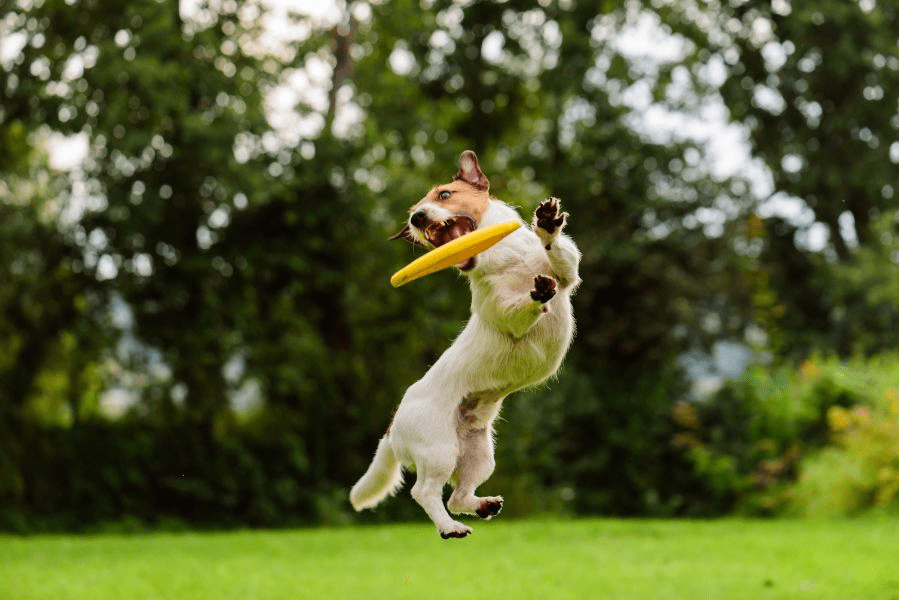
Highly arousing activities, such as intense fetch sessions or chaotic dog park visits, may increase adrenaline and reinforce reactive patterns if not managed carefully.
The Importance of the Right Type of Exercise
Not all exercise has the same effect on behavior. The key is choosing activities that match your dog’s emotional state and needs.
Calming, confidence-building activities include:
- Leash walks with time to sniff
- Structured obedience or trick training
- Nose work and scent games
- Controlled play with clear rules
Activities that may increase arousal if overused include:
- Constant high-speed fetch
- Unstructured dog park play
- Overly intense running without mental engagement
For anxious or aggressive dogs, balance is critical. Exercise should leave the dog relaxed and satisfied, not overstimulated.
Mental Stimulation Matters Just as Much
Physical exercise without mental engagement can create a very fit dog who still struggles emotionally. Mental stimulation helps dogs process stress, build confidence, and learn coping skills.
Combining physical activity with mental work, such as training during walks or puzzle toys after exercise, often produces the best behavioral results.
When Exercise Is Not Enough
While exercise can significantly improve behavior, it is not a replacement for training or professional help in serious cases.
You should consider additional support if:
- Aggression involves biting or severe reactivity
- Anxiety leads to self-harm or extreme distress
- Behavior worsens despite consistent exercise
A qualified trainer or veterinary behaviorist can help identify triggers and design a plan that includes exercise, training, and behavior modification.
Building a Balanced Routine
A healthy daily routine for dogs prone to anxiety or aggression usually includes:
- Predictable exercise times
- Calm, structured activities
- Mental challenges
- Adequate rest and downtime
This balance helps dogs feel safe, fulfilled, and better equipped to handle stress.
Ready to unleash your dog’s potential? Visit Off Leash K9 Training of Hampton Roads to explore our expert training programs that promise exceptional obedience and a strong bond with your canine companion. Whether you’re in the Hampton Roads area or NE North Carolina, our proven system will help your dog excel off-leash. Contact us today at (757) 296-8366 to start your journey towards a more obedient and joyful relationship with your dog