Separation anxiety in dogs is not about bad behavior or spite. It is a genuine fear-based response that can leave your dog in distress every time you walk out the door. The good news: with the right approach, most dogs can learn to feel comfortable spending time alone.
Key Takeaways
- Separation anxiety is a panic-style response in dogs who struggle to be left alone. These dogs are not being “naughty” but are genuinely frightened when their family member leaves.
- Before starting any training plan, rule out medical conditions with a veterinarian, use video to confirm symptoms happen when your dog is left alone, and never punish your dog for anxiety-driven behaviors.
- The core of treatment is gradual, structured behavior modification that teaches the dog learns to relax alone in tiny steps. Moderate or severe cases often benefit from anti-anxiety medication prescribed by a veterinarian or veterinary behaviorist.
- Management is essential while training progresses. This includes reducing alone time, using a dog sitter or doggy daycare, creating a safe place, offering puzzle toys, and providing daily exercise.
- Separation anxiety is not a quick-fix situation. With consistent, positive methods over several weeks or months, many dogs can become comfortable with absences that once triggered panic.
What Is Separation Anxiety in Dogs?
Separation anxiety is a fear-based condition where a dog panics when separated from their primary person or family. For a deeper look at separation anxiety in dogs, including its symptoms, causes, and treatment approaches, owners can learn more about separation anxiety in dogs. Think of it like a human panic attack: intense, overwhelming, and not something the dog can simply choose to stop.
This condition differs from simple boredom or mild clinginess. The key distinction is the intensity of distress tied directly to absence or predeparture cues. A dog who chews shoes when bored might do so whether you are home or not. A dog with separation anxiety focuses destructive behaviors specifically on times when the owner leaves.
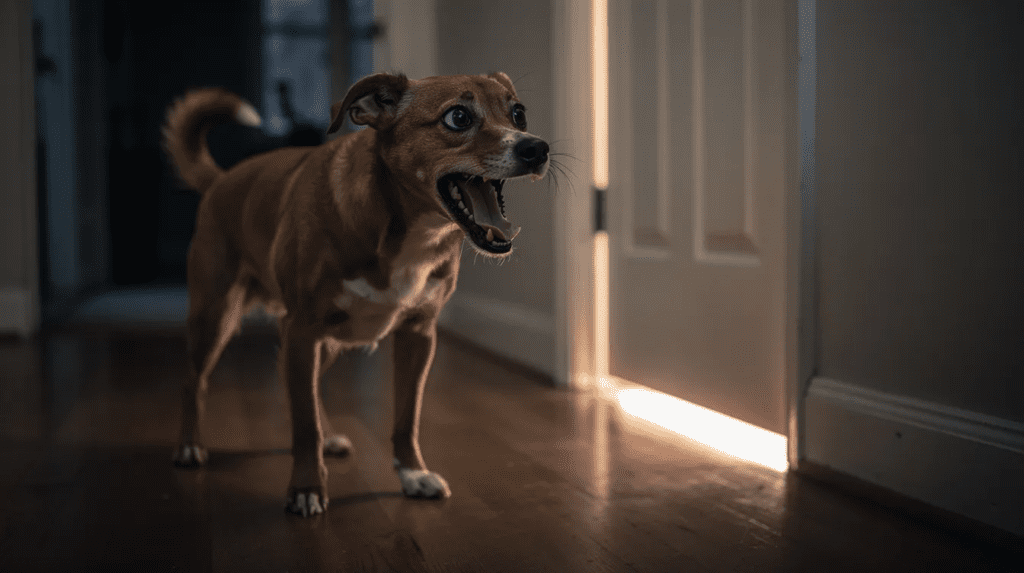
Common signs of panic include:
- Trembling and excessive panting
- Drooling (sometimes creating puddles near exit doors)
- Frantic vocalizing that starts within minutes of departure
- Pacing, restlessness, and inability to settle
Your dog is not being spiteful. They are genuinely afraid. Understanding this shapes how pet parents should respond: with patience and empathy rather than frustration or punishment.
How To Tell If Your Dog Has Separation Anxiety
Accurate identification matters before starting any treatment process. Without confirming your dog has separation anxiety rather than another issue, you risk spending months on the wrong approach.
Hallmark behaviors that appear only when your dog is left alone:
- Constant dog barking, howling, or excessive barking that does not stop
- Destructive chewing focused on exit points like doors and windows
- Escape attempts (sometimes causing self-injury)
- Repetitive pacing in fixed patterns
- House soiling in dogs who are otherwise fully house trained, which can be especially challenging without thoughtful potty training strategies for apartment living
Subtle signs to watch for:
- Drool puddles near thresholds
- Heavy panting or trembling
- Refusing treats or food puzzles when alone
- Coprophagia (eating feces) limited to isolation periods
Video monitoring is essential. Set up a baby cam, old smartphone, or laptop to record the first 30 minutes after you leave. This reveals whether your dog settles or escalates once you are gone.
Dogs who protest briefly but calm within 10 to 15 minutes typically do not meet clinical criteria for separation anxiety. True cases escalate without relief until the owner returns.
Watch for anticipatory anxiety as well. Many dogs start showing stress when the owner picks up keys, puts on work shoes, or follows a consistent “leaving for work” routine. If your dog sees these cues and immediately becomes anxious, predeparture cues are part of the problem.
What Can Look Like Separation Anxiety (But Isn’t)
Several medical and behavioral issues mimic separation anxiety. Ruling these out first saves time and ensures your dog gets appropriate care.
Medical causes to consider:
| Condition | How It Mimics Separation Anxiety |
| Urinary tract infections | Urgent house soiling regardless of presence |
| Arthritis | Difficulty holding bladder during long positions |
| Hypothyroidism | Behavior changes including restlessness |
| Cognitive dysfunction (seniors) | Disorientation that looks like panic |
| Disabilities or sensory loss | May require tailored training for dogs with disabilities to cope comfortably when alone |
| Medication side effects | Steroids or other drugs causing restlessness | Behavioral look-alikes:
- Incomplete house training (accidents happen whether you are home or not), often due to common puppy potty training mistakes
- Excitement or submissive urination during greetings
- Urine marking on vertical surfaces even with company present
- General boredom chewing that occurs when people are home, often worsened by common dog training mistakes and inconsistency
- Barking at outside noises, mail carriers, or other dogs (not triggered by being alone)
A 2023 study of 500 canine behavior cases found that 25 percent of presumed separation anxiety referrals were actually medical issues. Schedule a veterinary exam before assuming behavior-only separation anxiety and committing to a long training program.
Why Some Dogs Develop Separation Anxiety
Dogs develop separation anxiety due to change rather than being “spoiled.” The myth that too much affection causes this condition is not supported by evidence.
Common triggers include:
- Moving to a new house
- Schedule changes (post-pandemic office returns in 2024-2025 have driven a 15 percent uptick in cases)
- Family changes: divorce, death of a family member, or a child leaving for college
- Adoption from shelters, particularly during post-pandemic rehoming surges in 2021-2023
Dogs adopted from shelters or rescues show higher risk, with prevalence rates exceeding 40 percent compared to 14-20 percent in the general dog population. Previous losses and disruptions create vulnerability, and many of these dogs first need help building trust with a fearful rescue dog.
Some puppies and young dogs show separation-related behavior problems early. Research suggests heritability estimates around 30 percent for breeds like German Shepherds and Labradors, pointing to genetic or developmental components, and many also struggle with more generalized fears that benefit from specialized training for fearful, anxious dogs.
Abrupt swings in alone time often trigger symptoms. Going from constant company during winter holidays to long workdays in January can compound risk by two to three times according to owner surveys.
First Steps: What To Do If You Suspect Separation Anxiety
If you suspect your dog has separation anxiety, there is a clear path forward. Do not panic, and do not attempt to “tough it out.”
Immediate actions:
- Contact your veterinarian to rule out medical issues. Up to 30 percent of cases reveal comorbidities that respond to simple treatments like antibiotics.
- Keep a simple log for 1-2 weeks noting dates, departure times, absence lengths, and signs observed on video.
- Seek qualified help. A veterinary behaviorist or certified separation anxiety trainer (CSAT) achieves success rates 40 percent higher than general obedience instructors in controlled trials.
- Begin management immediately. Shorten absences where possible, arrange dog sitters, and avoid situations triggering full-blown panic.
During this assessment phase, your goal is to minimize suffering while gathering information. Even a single prolonged episode where your dog panics for hours reinforces fear neural pathways, making future training harder.
Core Treatment: Behavior Modification To Help Your Dog Feel Safe Alone
The cornerstone of treating separation anxiety is a structured training plan that pairs being alone with calm, safe experiences. This approach works below the dog’s fear threshold, building tolerance gradually. Separation anxiety dog training can help owners follow this structured approach while gradually building their dog’s tolerance for being alone. This approach works below the dog’s fear threshold, building tolerance gradually.
The basic principle of gradual desensitization:
Start with absences so short that your dog stays fully relaxed. For some dogs, this means literal seconds. Only increase duration when your anxious dog consistently remains calm.
A stepwise example:
| Step | Duration | Criteria to Advance |
| 1 | 5 seconds | Dog remains relaxed, no pacing or whining |
| 2 | 10 seconds | Same calm behavior |
| 3 | 30 seconds | Lying down, no lip licking |
| 4 | 1 minute | Comfortable, may engage with toy |
| 5 | 2-3 minutes | Fully settled |
| Continue… | Build across days/weeks | 80-100% calm responses |
| Signs you have moved too fast: |
- Sudden silence followed by barking
- Pacing toward the door
- Lip licking, yawning, or whale eye
- Refusing food that was previously accepted
If these appear, step back to an easier duration. Progress is measured by relaxed body language and ability to rest, not by the calendar.
Training guidelines:
- Practice almost daily
- Keep sessions short (15-30 minutes with multiple brief “leaves”)
- Avoid exhausting marathon sessions
- Expect that some dogs need months to reach a few hours alone
ASPCA data shows 70-90 percent improvement rates in owners who follow structured protocols consistently. Unstructured approaches achieve only about 20 percent success.
Desensitizing Pre-Departure Cues
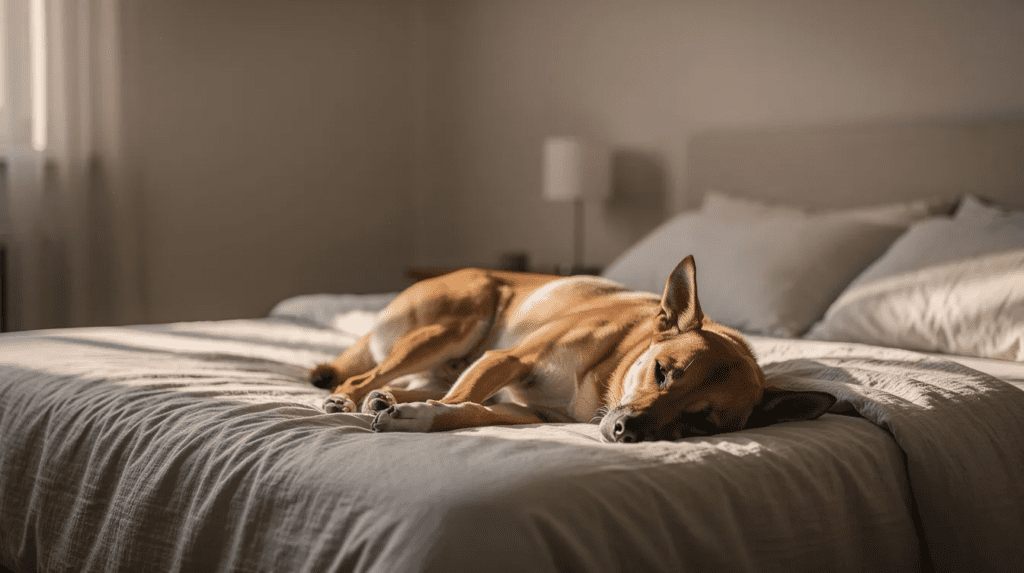
Many dogs start panicking long before the door closes. They have learned that cues like keys or work bags predict being left alone.
Typical predeparture cues:
- Picking up car keys at 7:30 a.m.
- Putting on a winter coat or specific shoes
- Closing a laptop
- Turning off lights in a specific pattern
How to neutralize these cues:
Perform them many times per day without leaving. Pick up keys, walk around, then sit on the couch. Put shoes on, then cook dinner. Grab your bag, then watch TV.
Repeat these cue-only practice sessions until your dog no longer startles, paces, or follows anxiously when these items appear. Behaviorist case series show this reduces pre-panic by 50-70 percent within four weeks.
Eventually, combine several cues in random orders so no single pattern always predicts departure. This reduces overall anxiety tied to your leaving routine.
Managing Alone Time While You Train
Training cannot succeed if your dog is repeatedly pushed into full panic by long absences during the treatment process.
Practical management solutions:
- Coordinate schedules within your household
- Ask a neighbor or trusted friend for help
- Hire a local dog sitter or consider a reputable board and train obedience program
- Use reputable doggy daycare a few days per week
- Work from home when possible
- Bring your dog along to dog-friendly settings for shorter tasks
Even one long, uncontrolled episode where your dog panics for hours can set back progress. Neural plasticity models in fear learning suggest that one four-hour panic can reset progress equivalent to two weeks of training.
Mark your calendar clearly: distinguish “training only” days (no long absences) from days requiring external help. This keeps the treatment process on track and prevents accidental setbacks.
Using Exercise and Enrichment To Support Recovery
Physical and mental stimulation lower overall anxiety in dogs, making it easier for them to relax when left alone. Exercise releases endorphins and reduces stress hormones like cortisol, and a well-designed exercise routine for better behavior can make training for alone time more successful.
Tailor activity to your individual dog: Building a structured daily routine for a high-energy dog can further reduce anxiety and make separations easier.
- Daily walks with plenty of sniffing time (30-60 minutes)
- Moderate jogs for fit, high-energy adults
- Gentle neighborhood strolls for seniors
Pre-departure enrichment ideas:
- 10-15 minutes of scent games
- Short trick training sessions
- Puzzle feeding routines that provide mental stimulation
Avoid exhausting your dog into physical depletion. Overstimulation can increase irritability. The goal is a pleasantly tired, relaxed pet, not one who is wound up or frustrated.
On particularly stressful days (construction noise, storms, fireworks), extra enrichment and shorter absences make separations more manageable.
Interactive Toys, Food Puzzles, and Safe Spaces
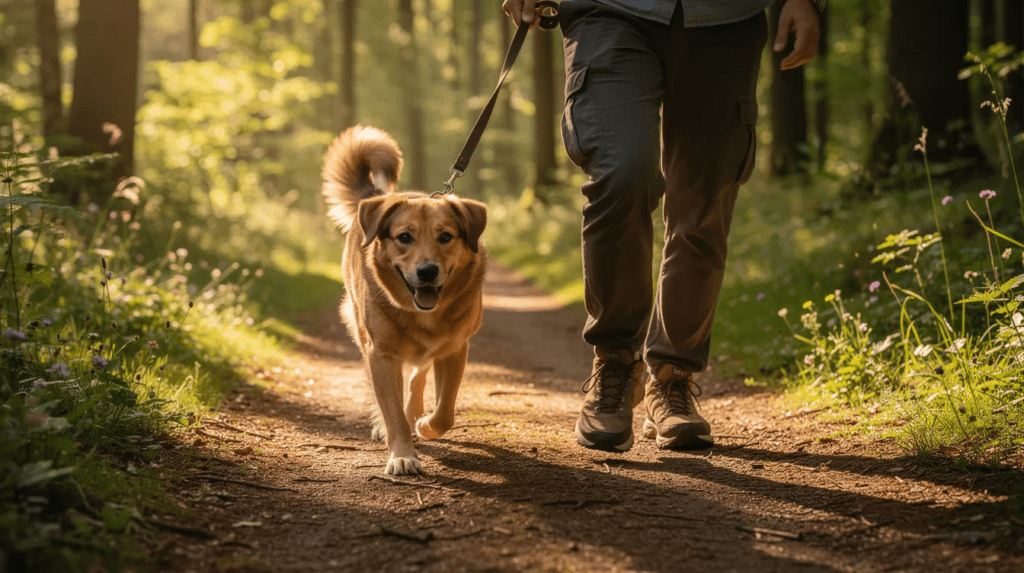
For many dogs suffering from mild separation anxiety, food-based toys and designated safe areas help associate alone time with comfort rather than fear.
Effective tools:
- Rubber food-stuffable toys (like Kongs)
- Slow feeders
- Snuffle mats
- Commercial puzzle toys that take several minutes to solve
How to use them:
Prepare the food toy, place it in a quiet spot like a familiar bed, then step away for a very short absence. Pair the toy with your brief departures to create positive associations.
Important warning: Dogs with severe panic may not eat when alone. Forcing food puzzles in these cases can predict departure and worsen the dog’s anxiety. Use these tools only as your dog becomes more comfortable.
Creating a safe spot:
- Choose a calm room away from busy windows
- Provide comfortable bedding and fresh water
- Add soft background sound (classical music or audiobooks work well)
- Avoid loud, high-energy TV shows
If your dog loves their crate, it can serve as a safe place. However, crate training requires caution: many dogs with separation anxiety panic more when confined. Only use a crate if your dog voluntarily chooses it and shows no stress inside.
When and How Medication Can Help
Medication is often a useful, humane tool for moderate to severe separation anxiety. It is not a “last resort” or sign of failure. Think of it as lowering the volume on fear so your dog can actually learn from behavior modification.
How medication works:
Anti anxiety medication reduces amygdala hyperactivity, the brain region driving panic responses. This allows dogs suffering from intense fear to engage with training instead of spinning into terror.
Types of medication:
| Type | Examples | Timeline |
| Long-term SSRIs | Fluoxetine, clomipramine | 4-8 weeks for peak effect |
| Short-term options | Trazodone, gabapentin | Used for specific high-stress periods |
| Combined with behavior modification, these medications achieve 60-80 percent efficacy. However, medication alone rarely provides lasting improvement without retraining. |
Key points:
- Never adjust doses without veterinary guidance
- Allow several weeks for many medications to show full effect
- Annual bloodwork may be recommended for long-term use
- Medication supports but does not replace training
What Not To Do With a Dog Who Has Separation Anxiety
Some common instincts backfire badly and can intensify fear rather than resolve it.
Avoid these approaches:
- Punishment for behaviors during absences (yelling, rubbing nose in messes). This creates confusion and can raise relapse rates threefold.
- Shock collars, vibrating collars, or spray collars. These aversive tools induce fallback aggression in 25 percent of dogs and worsen behavior problems.
- Forcing crate use. Studies show 50-70 percent of dogs suffering from separation anxiety panic more when confined, risking injury from thrashing against the door.
- Flooding (leaving your dog alone for long periods expecting them to “get used to it”). This entrenches phobia rather than resolving it.
- Unreliable quick-fix promises from unqualified trainers. These fail 90 percent of the time long-term.
- Untested supplements without veterinary guidance. Products like CBD lack standardization and show only 10-30 percent mild relief at best.
If someone promises to cure your dog’s separation anxiety in a weekend, keep looking. Legitimate treatment takes time and consistency.
Can Separation Anxiety Be Cured?
Many dogs improve dramatically with proper intervention, but there is rarely an instant cure. The prognosis favors management over complete elimination.
Research shows 70-85 percent of dogs can achieve functional alone time (4-8 hours) through sustained protocols. Some dogs reach a point where separation anxiety barely affects daily life. Others may always need extra planning around absences.
Early, consistent intervention with positive methods leads to better outcomes. Celebrate small wins: a calm 5-minute absence is genuine progress. Track improvements over months rather than days.
If progress stalls for more than a few weeks, revisit your plan with a professional. Hidden triggers or steps moving too quickly often explain plateaus.
Frequently Asked Questions
How long can I safely leave a dog with separation anxiety alone?
There is no fixed safe number. It depends entirely on your individual dog’s current comfort level observed on video. Start with the maximum duration where your dog remains relaxed throughout, even if that is only 1-2 minutes initially.
Over weeks or months, you can gradually increase to common daily needs (30 minutes, then 1 hour, then 2 hours). Always let the dog’s behavior guide progression. Arrange outside help from a dog sitter or doggy daycare for any absence longer than what your dog has practiced successfully.
Will getting a second dog fix my first dog’s separation anxiety?
Often, no. Dogs with separation anxiety are typically attached specifically to humans rather than seeking any company. Another dog may not address the underlying fear at all.
Some dogs with separation issues also experience social stress with other dogs, potentially adding new problems like resource guarding. Consider a second pet only after careful thought about long-term responsibilities, and focus first on behavior modification and veterinary guidance.
Is it okay to sleep in the same room as a dog with separation anxiety?
Yes. Allowing your dog to sleep in the bedroom generally does not cause separation anxiety and can improve overall rest and bond quality. Nighttime comfort is separate from training alone time during the day.
If you want to adjust sleeping arrangements later, do so gradually once your dog is coping better with daytime absences.
Can puppies grow out of separation anxiety on their own?
True separation anxiety rarely disappears without targeted intervention. While most dogs gain confidence with age, dogs suffering from genuine panic typically need structured help.
Start early: encourage brief positive alone times beginning at 8-12 weeks. Pair these with gentle routines and enrichment. Consult a veterinarian or qualified trainer promptly if a young dog shows intense distress, rather than waiting to “see if it passes.” Research indicates 60 percent of untreated cases persist into adulthood.
Are natural remedies like calming chews enough to treat separation anxiety?
Over-the-counter calming products like L-tryptophan or Zylkene may take the edge off mild stress but are unlikely to resolve clinical separation anxiety alone. Studies show 20-40 percent mild improvement at best with these supplements.
Discuss any supplement with your veterinarian, especially if your dog takes prescription medication. The foundation of treatment remains behavior modification and careful management. Give your dog the full support they need by treating supplements, pheromones, or calming wraps as supportive tools rather than standalone solutions.
Conclusion
Helping a dog with separation anxiety is a journey that requires patience, understanding, and consistent effort. By combining thoughtful behavior modification, providing mental stimulation and exercise, creating safe and comforting environments, and when necessary, using prescribed medications, dog owners can significantly improve their dog’s quality of life. Remember, every dog is unique, and progress may take time, but with compassion and the right approach, many dogs learn to feel secure and calm when left alone. Your commitment not only eases your dog’s anxiety but also strengthens the special bond you share, leading to a happier, healthier life for both of you.