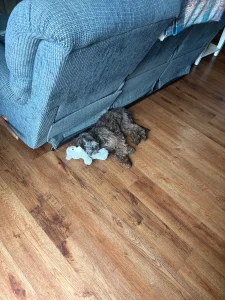
Adopting a rescue dog who has experienced trauma is an act of compassion — but it also comes with responsibility, patience, and understanding. Dogs who have faced neglect, abuse, abandonment, or long-term instability often carry emotional scars that take time to heal.

Building trust with a traumatized rescue dog isn’t about quick results. It’s about creating safety, predictability, and positive experiences — one small step at a time.
Understanding Trauma in Rescue Dogs
Trauma in dogs can stem from:
- Physical abuse
- Chronic neglect
- Frequent rehoming
- Time spent in overcrowded shelters
- Lack of early socialization
Organizations like ASPCA and Humane Society of the United States emphasize that fear-based behaviors are often survival responses — not signs of a “bad” dog.
Common trauma-related behaviors include:
- Flinching when touched
- Avoiding eye contact
- Hiding or freezing
- Growling when approached
- Separation anxiety
- Hypervigilance
Recognizing that these behaviors are rooted in fear is the first step toward healing.
Step 1: Create a Safe, Predictable Environment
Traumatized dogs thrive on routine.
- Feed at the same times daily
- Walk on a consistent schedule
- Keep sleeping areas quiet and undisturbed
- Limit exposure to loud noises and chaotic environments
Avoid forcing interactions. Let your dog approach you when they feel ready.
Predictability reduces anxiety. When a dog knows what to expect, their nervous system can begin to relax.
Step 2: Let Them Set the Pace
One of the biggest mistakes new adopters make is rushing affection.
Instead of reaching over their head, try:
- Sitting sideways rather than face-to-face
- Avoiding direct staring
- Extending a relaxed hand at their level
- Speaking in calm, low tones
If they move away, respect it. Trust grows when boundaries are honored.
Step 3: Use Positive Reinforcement Only
Punishment can retraumatize a fearful dog and destroy fragile trust.
The American Kennel Club recommends reward-based training methods, especially for anxious or fearful dogs. Reinforce:
- Eye contact
- Voluntary approach
- Calm behavior
- Basic commands
Even small wins — like taking a treat from your hand — are major milestones.
Step 4: Focus on Choice and Control
Trauma often involves loss of control. Giving your dog safe choices builds confidence.
Examples:
- Let them choose between two toys
- Allow them to exit a situation if overwhelmed
- Offer an open crate instead of confining immediately
- Let them initiate petting
When dogs feel agency, anxiety decreases.
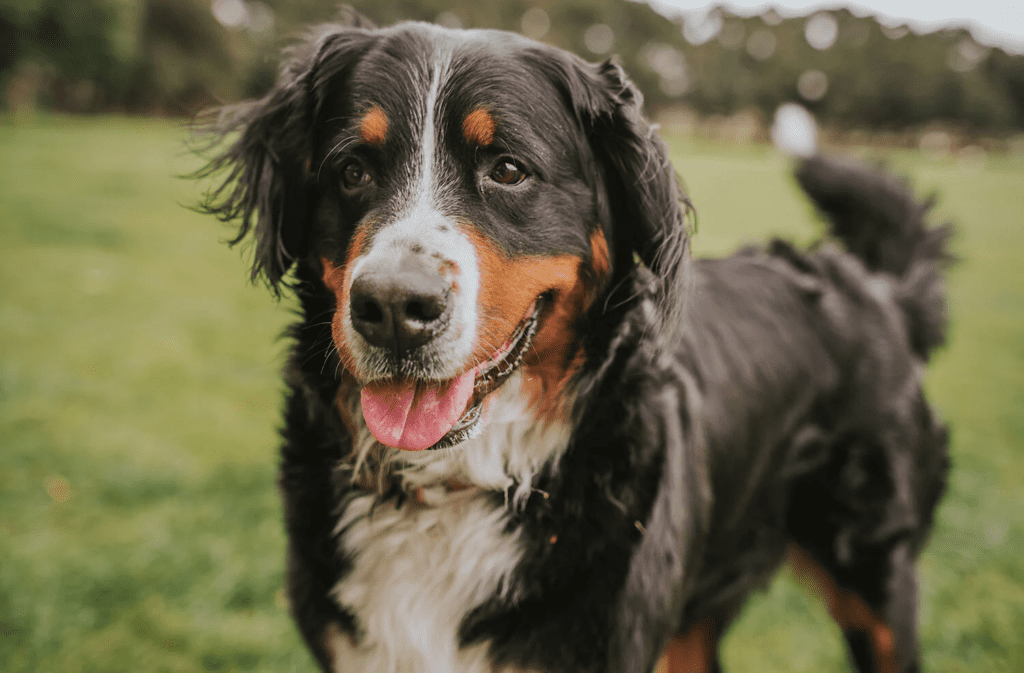
Step 5: Desensitize Triggers Gradually
If your dog fears specific triggers (men with hats, loud vehicles, brooms, etc.), introduce them slowly and at a distance.
Pair exposure with something positive like treats or praise. Keep sessions short and stop before fear escalates.
If fear responses are severe, consult a certified behaviorist or veterinarian. In some cases, medication combined with behavior modification can significantly improve quality of life.
Step 6: Be Patient with Physical Touch
Some traumatized dogs need weeks or months before accepting full physical affection.
Start with:
- Gentle chest scratches instead of head pats
- Short petting sessions
- Observing body language closely
Signs of relaxation include:
- Soft eyes
- Loose body posture
- Leaning into touch
- Slow blinking
If they stiffen, freeze, or turn away, pause immediately.
Step 7: Manage Your Expectations
Healing is not linear.
You may see progress for days — then sudden regression. A loud noise or unfamiliar visitor can temporarily reset confidence.
This is normal.
Trust is built through hundreds of safe, neutral, and positive interactions over time.
The 3-3-3 Adjustment Rule
Many rescue professionals reference the “3-3-3 Rule”:
- 3 days to decompress
- 3 weeks to learn routine
- 3 months to begin feeling at home
For traumatized dogs, this timeline may be longer — and that’s okay.
When to Seek Professional Help
Consider professional support if your dog shows:
- Persistent aggression
- Severe resource guarding
- Self-harming behaviors
- Extreme separation anxiety
Look for certified, force-free trainers or veterinary behaviorists experienced in trauma recovery.
Ready to unleash your dog’s potential? Visit Off Leash K9 Training of Hampton Roads to explore our expert training programs that promise exceptional obedience and a strong bond with your canine companion. Whether you’re in the Hampton Roads area or NE North Carolina, our proven system will help your dog excel off-leash. Contact us today at (757) 296-8366 to start your journey towards a more obedient and joyful relationship with your dog