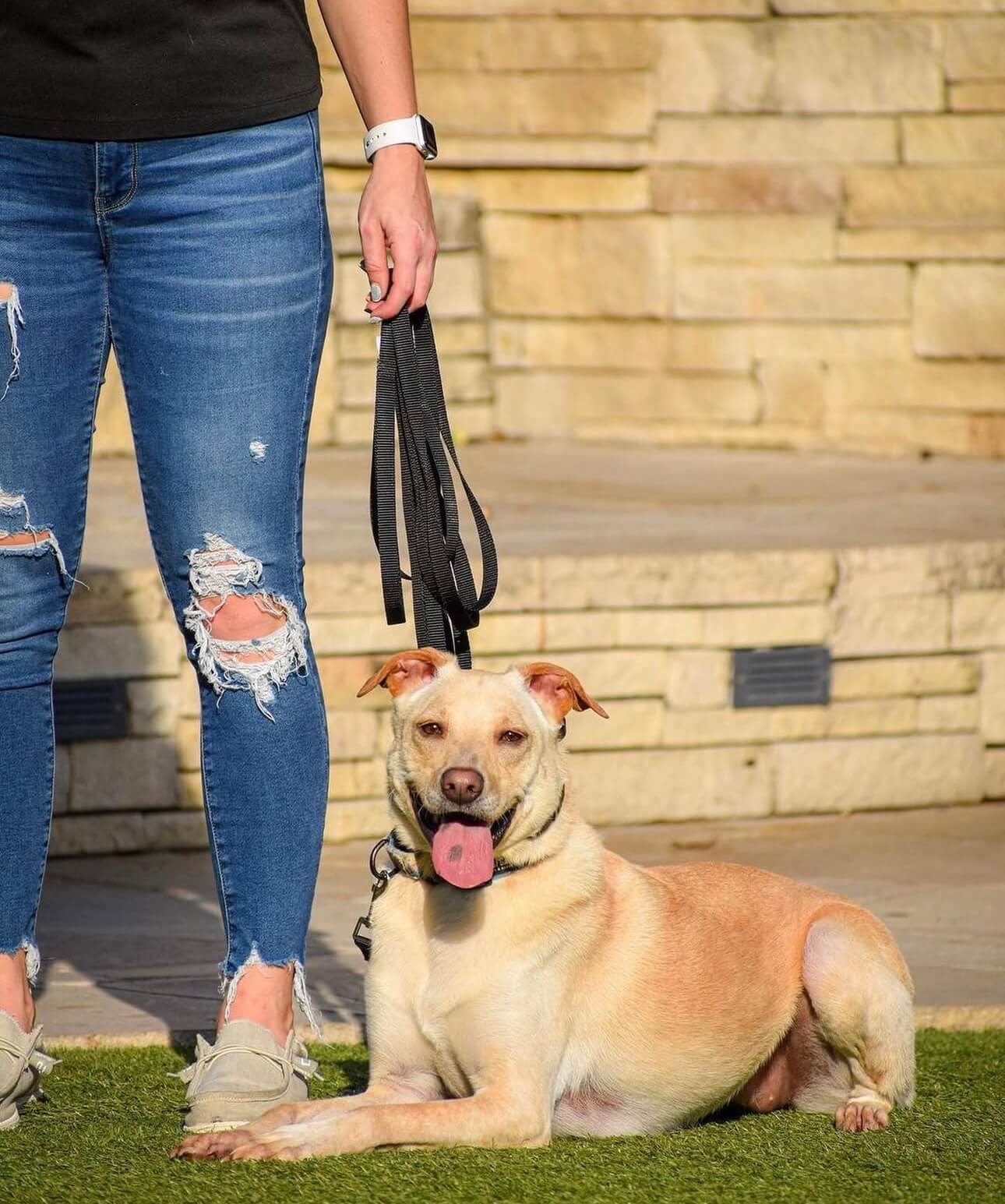
One minute you are strolling along, and the next your dog stops cold. Four paws planted, no forward motion. If your dog freezes on walks, It can be confusing, especially when you are unsure why your dog suddenly refuses to move.
Freezing can happen for several reasons, including fear, distraction, fatigue, discomfort, or pain. Pay attention to your dog’s behavior and surroundings before deciding how to respond.
Common Reasons a Dog Freezes on Walks
Dogs freeze for many reasons, and sometimes more than one is at play. Look at when and where it happens to find clues.
Fear or Uncertainty
Freezing is a common response to stress. A dog may go still to take in something that feels unfamiliar or scary, such as a loud truck, a flapping flag, or a person approaching.
Body language can help. Watch for a low tail, tucked posture, wide eyes, or a closed mouth.
Overstimulation
Busy sidewalks, other dogs, and constant noise can add up. When a dog takes in too much at once, stopping may be the easiest way to cope.
Some trainers call this trigger stacking. Several small stressors build, and one more ordinary thing tips the dog over the edge. This article on dogs who balk on walks explains how that can look on a walk.
Unfamiliar Environments
New routes, new surfaces, and new smells can make a dog hesitate. Puppies, rescue dogs, and dogs with limited leash experience may need extra time to adjust.
Fatigue
Hot weather, long outings, or a hard day can wear a dog out. Some dogs simply stop when they are tired.
Discomfort or Pain
A stiff joint, sore paw, or an ill-fitting harness can make walking unpleasant. A dog who suddenly changes how they walk may be telling you something hurts.
Distraction
Sometimes a dog stops because something smells amazing, or because there is a squirrel in the bushes. This freeze usually looks relaxed and curious, not tense.
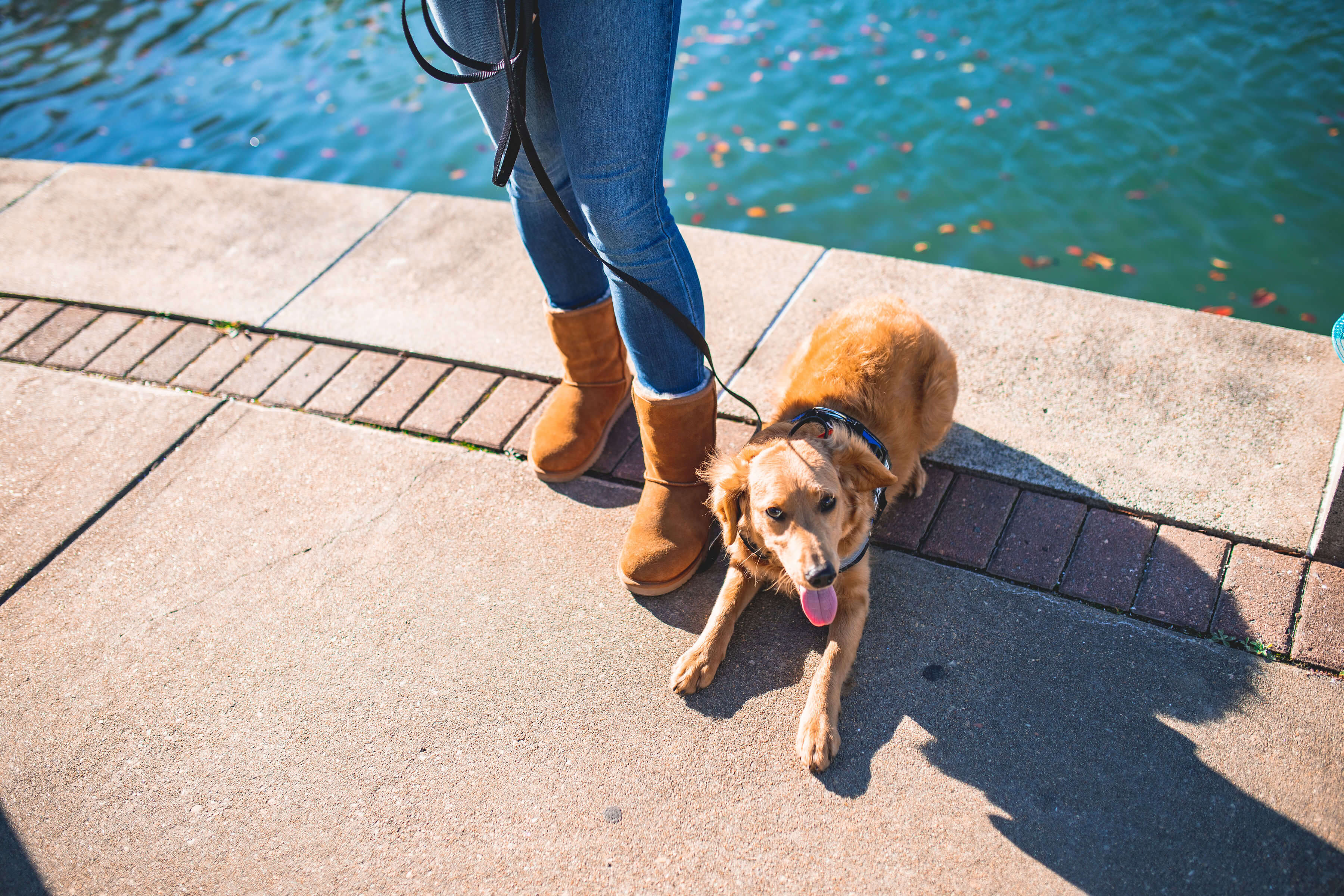
What to Do When Your Dog Freezes on a Walk
The first goal is to stay calm and keep your dog safe.
- Pause. Stop walking and give your dog a few seconds.
- Read the situation. Look for what changed and check your dog’s body language.
- Create space. If your dog seems worried, gently move farther from the trigger.
- Keep the leash loose. Pulling or dragging can increase stress.
- Offer an easy option. Turn around or try a different path. If your dog appears frightened, offer a quieter route or move away from the trigger without pulling.
- Reward small steps. When your dog moves forward, calmly praise and reward.If your dog is comfortable and able to move, reward voluntary steps in a safe direction. Do not encourage continued walking if you suspect pain, overheating, or illness.
Skip the scolding. Pushing a frightened dog forward can make walks harder over time.
How to Build Confidence Gradually
Confidence grows through small, successful experiences. Keep the pace slow and the goals simple.
- Start in a quiet area. Choose a low-traffic street or open space.
- Keep walks short. End on a good note before your dog gets overwhelmed.
- Let your dog sniff. Sniffing can help many dogs feel more settled.
- Create distance from triggers. Work at a level where your dog stays comfortable.
- Reward calm behavior. Praise or treat your dog when they stay relaxed.
- Add new things slowly. Introduce new places and sounds one at a time.
Keep a quick note after each walk. Over time, you may spot patterns in where, when, and why your dog freezes. This overview of why dogs freeze covers how freezing relates to stress and trust.
Common Mistakes to Avoid
- Pulling or dragging your dog forward
- Pushing your dog toward something scary
- Scolding or showing frustration
- Rushing through busy areas
- Ignoring gear problems like a tight harness or short leash
- Skipping the vet when freezing is new or worsening
When to Get Veterinary or Professional Help
Contact your veterinarian if your dog suddenly refuses to walk, begins limping, appears stiff or painful, or repeatedly freezes without an obvious cause.
Seek emergency veterinary care if your dog cannot stand or walk, collapses, has difficulty breathing, or shows signs of severe distress.
If medical problems have been ruled out, a qualified dog trainer may help address fear, confidence, and leash-walking difficulties.
If your vet finds no health concerns, a qualified trainer can help you work on confidence and walking skills. Seek help sooner if your dog seems very fearful or the behavior is affecting daily life.
Get Support for Calmer, More Confident Walks
If your veterinarian has ruled out medical concerns, consistent training may help your dog feel more comfortable during everyday walks. Off Leash K9 Training of Hampton Roads offers dog obedience training focused on practical skills and better communication between dogs and their owners.
If your dog frequently freezes, becomes fearful, or struggles with leash walking, contact our Hampton Roads team to discuss available training options.
FAQs About Dogs Freezing on Walks
Is It Normal for a Dog to Freeze on Walks?
Many dogs freeze now and then, often when they are unsure or overwhelmed. Occasional pauses are common. If the behavior is frequent, sudden, or comes with signs of stress or pain, it is worth looking into.
Should I Pull My Dog Forward When They Freeze?
It is best not to. Pulling can add stress and make your dog more hesitant. Give your dog a moment, create space if needed, and encourage movement calmly.
Can a Harness or Leash Cause Freezing?
Yes, it can. A tight or poorly fitted harness may make walking uncomfortable. Check the fit, and make sure the leash allows your dog room to move.
When Should I Call My Veterinarian?
Call your vet if the freezing is new, getting worse, or paired with limping, stiffness, or signs of discomfort. A checkup can rule out health issues before you focus on training.