Many owners use “wait” and “stay” as if they mean the same thing. Your dog may not see it that way. Understanding wait vs. stay dog training can make your cues clearer and your daily routine smoother.
Both cues teach patience and self-control. They just ask for different things, and they end in different ways.
What “Wait” Means
“Wait” tells your dog to pause for a moment because something is about to happen. The pause is usually short, and your dog is ready to move on when you give the next cue.
Think of wait as a quick hold, not a long-term position. Your dog does not need to stay in one exact posture.
When Wait Is Useful
- Before going through a door or gate
- Before hopping out of the car
- Before eating from a bowl
- At the top of the stairs
- Before stepping off a curb
What “Stay” Means
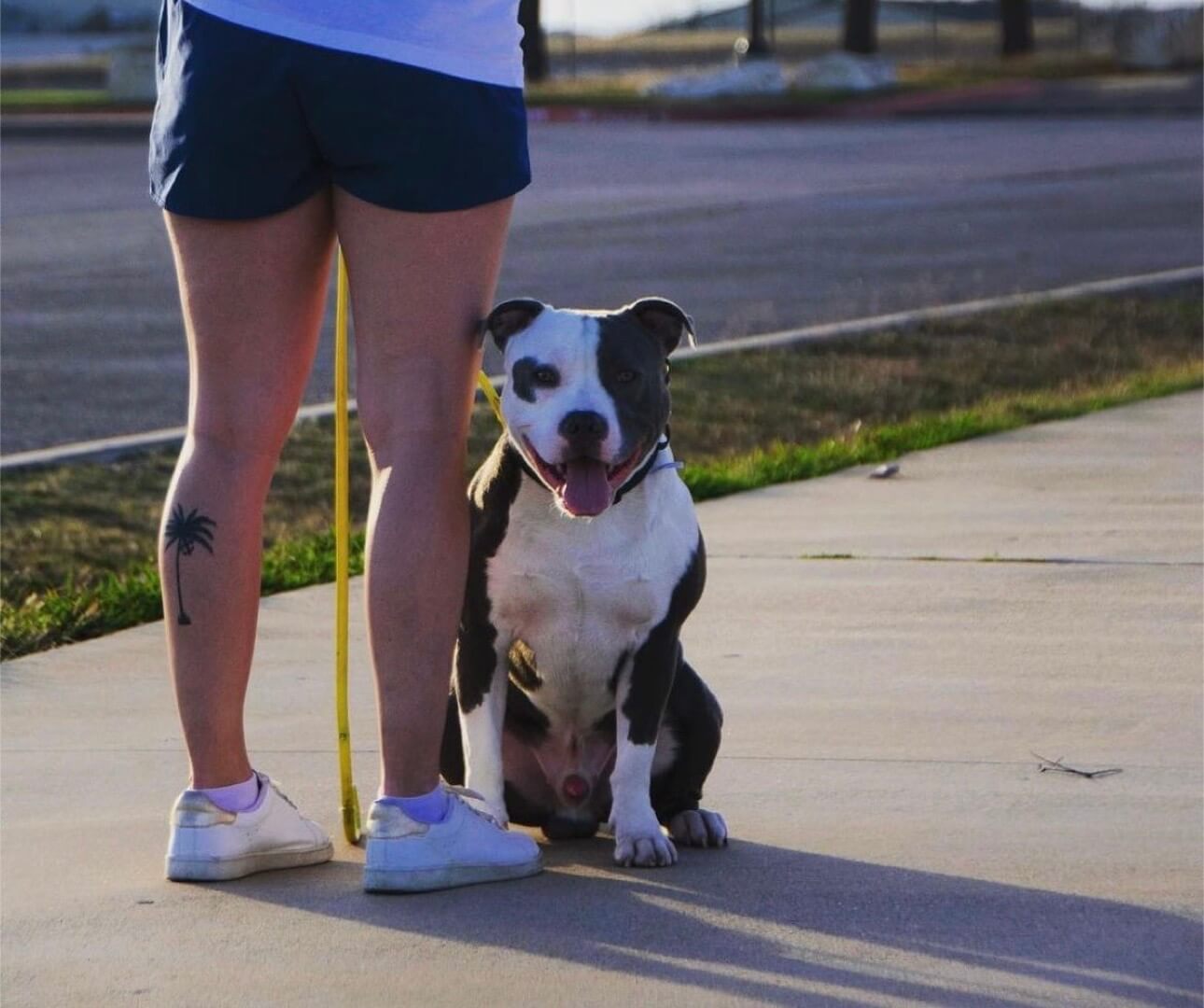
“Stay” tells your dog to hold a specific position, like a sit or a down, until you release them. Your dog keeps that position even if you move away or something interesting happens.
Stay usually asks for more focus and a longer hold than wait.
When Stay Is Useful
- While you answer the door
- During grooming or vet handling
- While you set up a meal or clean up a spill
- When guests walk into your home
- While you carry groceries inside
Wait vs. Stay at a Glance
| Wait | Stay | |
| Length | Short pause | Longer hold |
| Position | Flexible | Specific, like sit or down |
| Ends with | A cue to move forward | A consistent release cue, such as ‘okay’ or ‘free ‘. |
| Best for | Doors, cars, meals | Guests, handling, longer settles |
Some trainers use the two cues exactly this way. This guide on stay vs. wait explains why using different cues for different behaviors can help your dog understand what you want.
Common Wait vs. Stay Dog Training Mistakes
Most problems come from unclear cues or moving too fast. Watch for these:
- Using both words for the same thing. Pick one meaning for each cue and stick with it.
- Skipping the release word. Your dog needs to know when the job is over.
- Asking for too much too soon. Long holds and big distractions come later.
- Repeating the cue over and over. Say it once, then help your dog succeed.
- Calling your dog out of every stay. Your dog may begin to break early to get to you.
- Practicing only in quiet environments. Real life is busier than your living room.
If your dog gets up, stay calm. Reset and make the next try easier.
How to Teach Wait
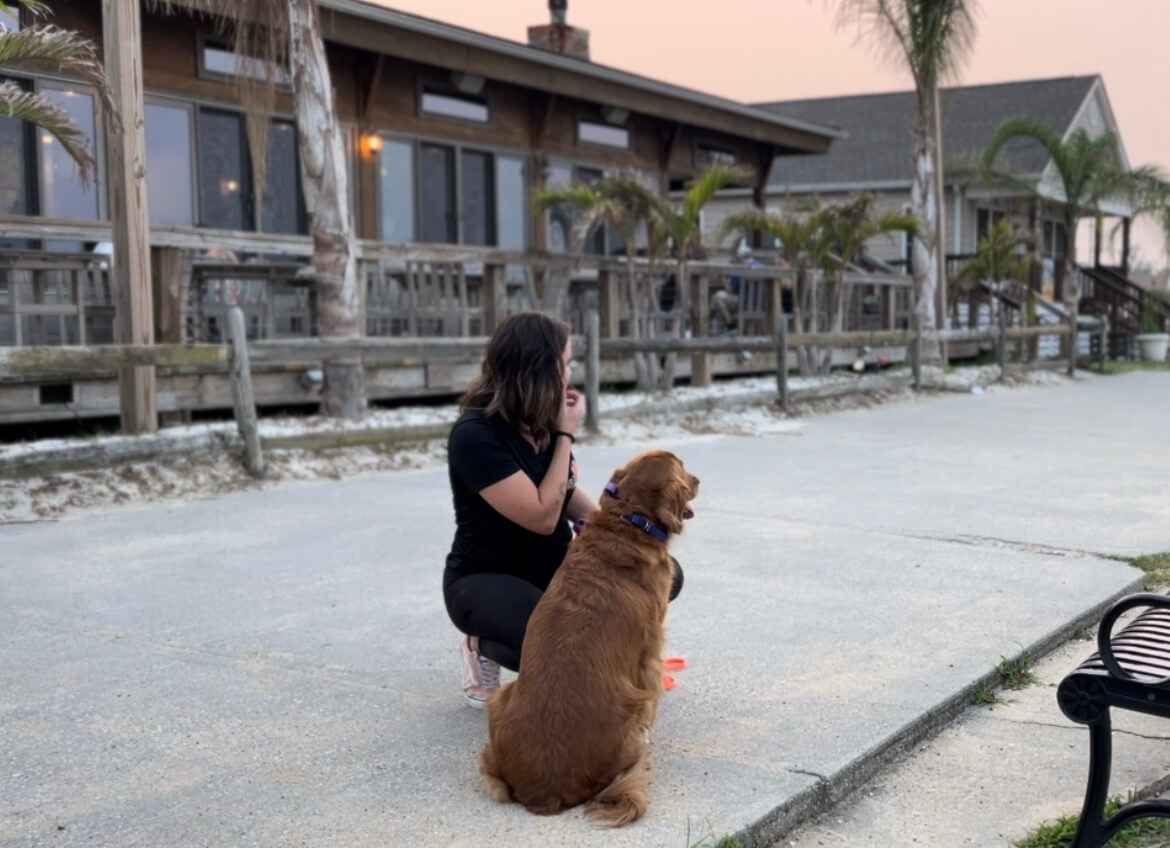
Start in a quiet space with your dog on a leash, if needed.
- Position your dog near a closed doorway.
- Say “wait” in a calm, clear voice.
- Open the door a few inches.
- If your dog stays put, release with ‘okay’ and reward.
- If your dog moves, gently close the door and try again.
- Gradually open the door wider as your dog improves.
Practice the same skill at the car door and before meals. Keep sessions short and upbeat.
How to Teach Stay
Begin with a cue your dog already knows, like sit.
- Ask for a sit.
- Say “stay” and reward after one or two seconds.
- Release with your chosen word.
- Slowly add a little more time.
- Take one small step back, then return and reward.
- Add distance only after your dog holds steady.
Work on one thing at a time: duration, distance, or distractions. This step-by-step stay guide shows how to build each piece without overwhelming your dog.
How to Practice Around Everyday Distractions
Dogs need practice in real situations. Build up slowly.
- Start easy. Practice in a quiet room first.
- Add small distractions. Try a family member walking by or a dropped toy.
- Move to new places. Try the hallway, the backyard, then a quiet sidewalk.
- Make it easier when things get harder. If you add a distraction, shorten the time or distance.
- Use real-life moments. Ask for a wait at the door and stay while you open a package.
If your dog struggles, go back to the last step that worked. That is normal.
Get Support for Calmer Obedience
Wait and stay are simple cues, but they take consistency. If you would like help building obedience, confidence, and calm behavior at home, a professional trainer can look at your dog’s habits and help you build a plan that fits your household.
For dog owners throughout Hampton Roads, Off Leash K9 Training offers dog obedience training to help build clearer communication, consistent commands, and better everyday manners. Contact our team to discuss your dog’s training needs.
FAQs
Can I Use “Wait” and “Stay” Interchangeably?
You can, but it may confuse your dog. Using each cue for a specific job gives your dog clearer information. Choose the meaning for each cue and keep it consistent.
Which Cue Should I Teach First?
Many owners start with wait because it fits into daily routines like doors and meals. Stay works well once your dog is comfortable holding a sit or down. Either can be a good starting point, depending on your goals.
Why Does My Dog Keep Breaking the Cue?
Your dog may need more practice, a clearer release cue, or an easier level of difficulty. The hold may be too long, you may be too far away, or the distraction may be too strong. Make it easier and build up gradually.
Do I Need a Release Word?
Yes, a release word helps a lot. It tells your dog the exercise is over and it is okay to move. Common choices include “okay” or “free.”