Key Takeaways
- Dogs hump people, other dogs, toys, and objects for many reasons, including excitement, stress, attention seeking, play, unclear boundaries, and sometimes sexual behavior.
- Dog humping behavior is common in both male dogs and female dogs, puppies and adult dogs, and is not always about dominance or social status.
- Calm redirection paired with obedience skills like sit, down, place command, recall, and leash control works far better than yelling or punishment.
- Persistent, sudden, or excessive humping can signal medical issues or high stress, and a vet visit or professional behavior training may be the right next step.
Introduction
Dog humping behavior catches most people off guard. Your dog mounts a guest’s leg, latches onto a pillow at a family gathering, or starts humping another dog at the park, and suddenly all eyes are on you. It is an uncomfortable moment, but it is also a completely normal behavior for both male and female dogs.
Mounting behavior shows up in puppies, adult dogs, neutered and spayed dogs alike. It can happen at home, at daycare, or in the middle of playtime with other playmates. The good news is that understanding the reasons behind it gives you a clear path to redirect the behavior calmly and effectively.
This article covers why dogs hump, why calm redirection beats punishment, which obedience skills help in the moment, and when dog owners may need professional dog training.
Why Dog Humping Behavior Happens
Most dogs that hump are not doing so for a single reason. Dog humping behavior is multi-layered, and the trigger often depends on the environment, the dog’s emotional state, and what has been reinforced over time. Here are the main causes:
- Sexual behavior and hormones. Unsterilized dogs may hump due to hormonal surges, especially intact male dogs around a female in heat. However, neutered and spayed dogs also hump regularly because hormones are only one piece of the puzzle.
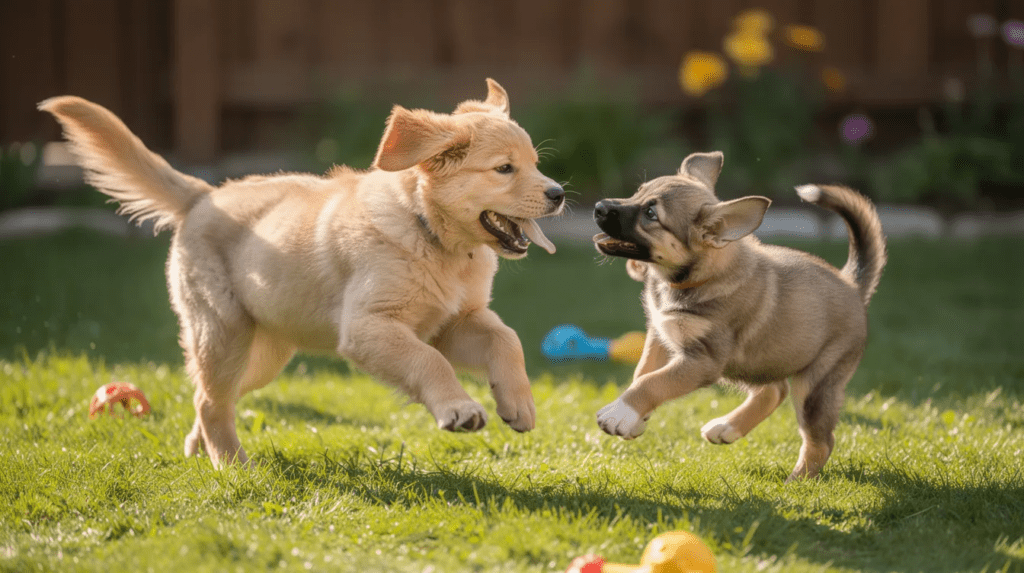
- Play and social interaction. Puppies begin humping during play at 3 to 6 weeks old, well before sexual maturity. Humping can occur when adult dogs play with each other, and dogs may mount each other as part of social play behavior. It is a common behavior during excited play sessions, and overstimulation during play can lead to humping behavior.
- Excitement and overstimulation. Greeting visitors at the door, kids running around, or a high-energy game of fetch can push a dog past its arousal threshold. Overexcited dogs often hump when overwhelmed by pent-up energy. Humping can be an outlet for overexcitement or a coping mechanism for stress.
- Attention seeking. Dogs may hump to seek attention from their owners. Even negative reactions like pushing them away or laughing give the dog what it wants: engagement. Excitement can trigger humping behavior in dogs, and the cycle repeats.
- Stress, anxiety, and self-soothing. Anxiety can lead to humping as a displacement behavior. In stressful situations like loud noises, changes in routine, or conflict in the home, some dogs hump to cope with stress or anxiety.
- Social context. Mounting can sometimes appear during dog-to-dog interactions, but it should not automatically be labeled as dominance. In many cases, humping is more closely tied to play, arousal, stress, attention seeking, or a learned habit. Look at the full situation before deciding what is driving the behavior.
To identify your dog’s main trigger, observe patterns. Note who or what the dog humps, the time of day, whether visitors are present, and what happened right before the behavior. A short trigger log over five to seven days can reveal a clear picture.
Why Calm Redirection Works Better Than Punishment
Most people’s first instinct when their dog starts mounting is to yell, pull the dog away roughly, or scold loudly. The problem is that overreacting in public or at home turns the act into a big attention moment. Humping is often reinforced by human reactions to the behavior, so even negative attention can make it worse.
Calm redirection works because it interrupts the dog’s behavior early, guides the dog to a simple task, and helps it practice self-control without adding more excitement to the situation. Yelling, rough handling, or scolding can increase stress or accidentally turn the moment into attention, especially if the dog is already overstimulated or anxious.
A consistent, neutral response teaches the dog that mounting and humping do not lead to exciting outcomes. Move the dog away quietly, ask for a known command, and reward calm behavior. Over time, the dog learns that structure, not chaos, gets your attention. Progress depends on the dog, the trigger, and how consistently the household responds.
Obedience Skills That Help Redirect Humping
Practical obedience training gives owners tools in the exact moment their dog mounts a person, another dog, or an object. Here are the skills that make the biggest difference:
- Sit and down. As soon as you notice the dog’s attention shift toward mounting, calmly cue sit or down. Reward a quick response with a treat and repeat across different locations to build reliability.
- Place command. Teach your dog to go to a dog bed, mat, or crate and stay there. Use this when guests enter the home or when energy levels start to climb. It creates an incompatible behavior because a dog cannot mount and hold a place at the same time.
- Recall. A reliable come command lets you call the dog away from another dog at the park, a person on the ground, or a toy they tend to hump. This redirects the dog’s attention before mounting starts.
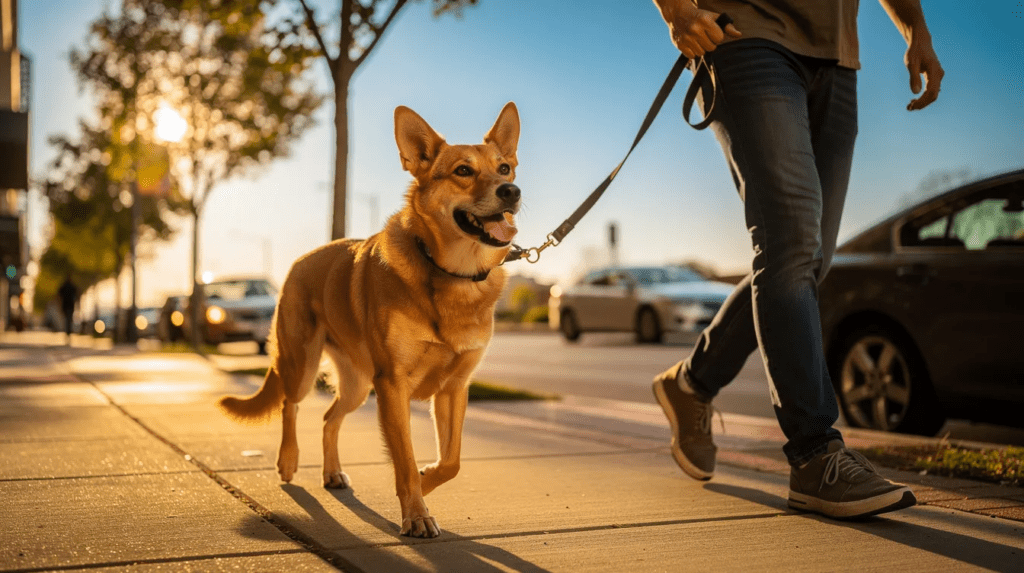
- Leash control. A calm walk on leash with good heel behavior can prevent the dog from charging over to visitors or other dogs to begin humping. Keeping the leash loose and your voice neutral helps the dog stay below its excitement threshold.
Redirect humping behavior with commands like sit, down, stay, or place, and offer appropriate chew toys or calming activities during downtime. Practice obedience in real-world settings like neighborhood walks, pet-friendly stores, and busy parks so the dog learns to respond even when excited or overstimulated. Consistent training builds clearer expectations and helps the dog think instead of react.

When Humping May Be a Sign of Stress or a Medical Issue
Sudden, intense, or obsessive humping can point to discomfort, stress, or illness rather than just a habit or play. Dogs may hump when they are anxious, and humping can be a self-soothing behavior for anxious dogs. Stress-induced humping can lead to compulsive behaviors if the underlying cause is not addressed.
Stress-related signs to watch for alongside mounting:
- Pacing, lip licking, and yawning when not tired
- Pinned ears, tucked tail, hiding, or avoiding eye contact
- Changes in body language during stressful situations like moving house, adding a new baby, bringing home another pet, or a shift in your work schedule
Possible medical issues:
- Humping can indicate urinary tract infections in dogs, which cause discomfort that the dog may attempt to relieve through mounting or licking.
- Skin allergies can lead to increased humping behavior in dogs, especially irritation near the genital area.
- Priapism is a persistent erection without sexual stimulation and may be painful or serious. If a male dog has a prolonged erection, seems uncomfortable, or cannot settle, contact a veterinarian right away.
- Excessive licking and chewing may signal underlying medical issues that need a vet’s evaluation.
- Frequent or forceful mounting may add physical strain for dogs with existing pain, stiffness, or mobility issues, so a vet check is wise if the behavior seems uncomfortable or difficult to interrupt.
Veterinarians should be consulted if humping seems painful or obsessive. Sudden compulsive behavior can indicate a medical problem. If your veterinarian rules out illness but humping remains frequent or causes conflict with other dogs, professional behavior training can help reduce anxiety and build better coping skills. Do not ignore excessive behavior that interferes with daily life or leads to injuries.
How Structure, Exercise, and Mental Stimulation Reduce Humping
Many dogs hump more when they have unstructured days, little guidance, and pent-up energy. This is especially true for puppies and active breeds with high exercise needs. A predictable daily routine directly affects a dog’s behavior and arousal levels.
- Physical exercise. Brisk leash walks, safe off-leash play in fenced areas, or controlled fetch sessions help lower overall arousal. Calm play reduces excitement-induced humping behavior by giving the dog a healthy way to burn energy.
- Mental stimulation. Scent games, simple tracking exercises, puzzle feeders, and short training sessions challenge the dog’s brain and provide a job to do. A tired mind is less likely to default to mounting out of boredom.
- Clear routines and boundaries. Consistent mealtimes, walks, playtime, and rest help dogs feel secure in their environment, which can lower stress-related mounting. Set house rules like no jumping on guests and no climbing on laps without invitation so the dog understands boundaries before humping begins.
When Professional Training May Help
Some dogs continue to hump frequently despite basic training, good exercise, and consistent effort at home. If your dog mounts visitors every time they enter, causes fights at daycare with other dogs, or cannot be redirected once it starts, skilled behavior support can make a real difference.
A professional trainer can observe the dog in real-world settings, identify whether the main cause is excitement, stress, unclear boundaries, or something else, and design a clear training plan. Personalized behavior training can include structured obedience, leash handling, controlled socialization, and guidance on how the whole household should respond to humping consistently. If you feel overwhelmed, embarrassed in public, or unsure how to respond, one-on-one support is a practical next step.
Final Thoughts on Dog Humping Behavior
Dog humping behavior is one of the most common concerns owners bring up, and in most cases, it is driven by excitement, play, stress, or attention seeking rather than sexual behavior alone. It is part of a dog’s nature, but that does not mean you have to accept it without a plan.
Staying calm, interrupting early, and redirecting to simple obedience or the place command works far better than yelling or harsh corrections. Build a daily structure with exercise, mental work, and clear boundaries so your dog has better ways to manage energy and emotions.
If humping has become frequent, disruptive, or difficult to redirect at home or in public, consider reaching out for professional obedience and behavior training support. A free consultation can help you understand what is driving the behavior and give you a clear path forward.
FAQ
Is it okay to let my dog hump a specific toy?
Allowing limited humping of a specific toy can be acceptable for some dogs, as long as it stays brief, does not cause irritation or injury, and does not become obsessive. Keep the toy away during guest visits, children’s playtime, or high-energy situations if it increases arousal. If the dog guards the toy, becomes frustrated when it is removed, or cannot stop once started, phase the toy out and focus on redirection, obedience, and calmer outlets.
Why does my dog hump only certain people?
Dogs often choose a specific person to mount based on history, body language, movement, scent, or how that person responds. Children and very animated guests who move quickly, squeal, or wave their arms may trigger excitement or attention seeking, which can show up as humping or jumping. Use management around those individuals, such as leash control, the place command, and calm greetings, so the dog practices better manners. Reward the dog for keeping four paws on the ground.
Can puppies grow out of humping on their own?
Humping can begin in puppies at 3 to 6 weeks old as part of normal play and exploration. Some puppies do reduce mounting behavior as they mature, but many keep the habit if it frequently brings relief, fun, or attention. Start gentle, consistent redirection early using simple obedience and structured play with other playmates instead of waiting to see if the behavior disappears by itself. Early guidance helps puppies learn appropriate social skills around other dogs and people.
Does neutering or spaying stop humping completely?
Neutering can reduce humping in many dogs, particularly young intact male dogs with hormone-driven mounting. However, altering a dog will not always eliminate humping behavior. Many dogs continue to hump due to excitement, stress, attention seeking, or habit, so behavior training is still important even after surgery. Discuss timing and health considerations with your veterinarian and combine medical decisions with a solid training plan.
How long should I work on training before deciding I need more help?
If you have tried calm redirection, daily obedience practice, and better structure for several weeks with little improvement, it may be time to get support. Some dogs improve quickly, while more established habits or stress-based behaviors can take longer. Seek help sooner if humping leads to aggression or fights with other dogs, scares visitors, causes injury, or feels unmanageable. A professional can often spot small handling changes or patterns that are hard for owners to see on their own.