Key Takeaways
- Most dogs jump because they’re excited and jumping has earned them attention before.
- Teach a clear alternative, such as four paws on the floor or a sit, and reward it every time.
- Use a leash, gate, or treats by the door to prevent jumping while your dog is learning.
- Skip kneeing, pushing, and leash jerks. They can add stress and still feel like attention.
- Get professional help if jumping comes with growling, snapping, or fear.
You open the front door, and your dog launches at your neighbor, leaving muddy paw prints on her jacket. If you’re searching for how to stop a dog from jumping on people, you’re in good company. Jumping is a frustrating habit for many owners, especially with young, friendly dogs that love everyone they meet.
The good news is that jumping is a learned habit, and habits can change. Your dog isn’t being rude on purpose. In most cases, jumping has simply worked: it got eye contact, petting or a laugh. Once jumping stops working and calm greetings start paying off, most dogs begin to make better choices.
This guide explains why dogs jump, how to tell friendly jumping from stress, and how to teach calm greetings with positive reinforcement. You’ll also find tips for guests, walks, puppies, and safety, plus guidance on when to bring in help.
Why Do Dogs Jump on People?
Dogs usually jump on people to say hello, get attention, or release excitement. Jumping brings them closer to our faces, and when people respond by talking, touching, or even pushing them away, the dog learns that jumping pays off. Over time, it becomes a greeting habit.
VCA Animal Hospitals explains that social dogs naturally jump when greeting because it brings them closer to face level. The San Francisco SPCA adds attention-seeking, inviting play, and reaching for something up high to the list.
Excitement
Arrivals are exciting. A dog that has been alone all afternoon may have more energy than it can manage when the door opens.
Attention-Seeking
For a dog seeking interaction, talking, eye contact, or touching can reinforce jumping. Even scolding may provide attention, but dogs respond differently, so consider what your dog is trying to obtain or avoid.
Learned Behavior
Many puppies get petted for jumping because it’s cute. The same behavior is far less welcome from a full-grown dog, but by then it has been practiced many times.
Greeting Habits
Dogs repeat whatever greeting routine they practice most. If every arrival in your home is loud and excited, your dog will likely match that energy.
Friendly Jumping vs. Jumping Linked to Fear or Stress
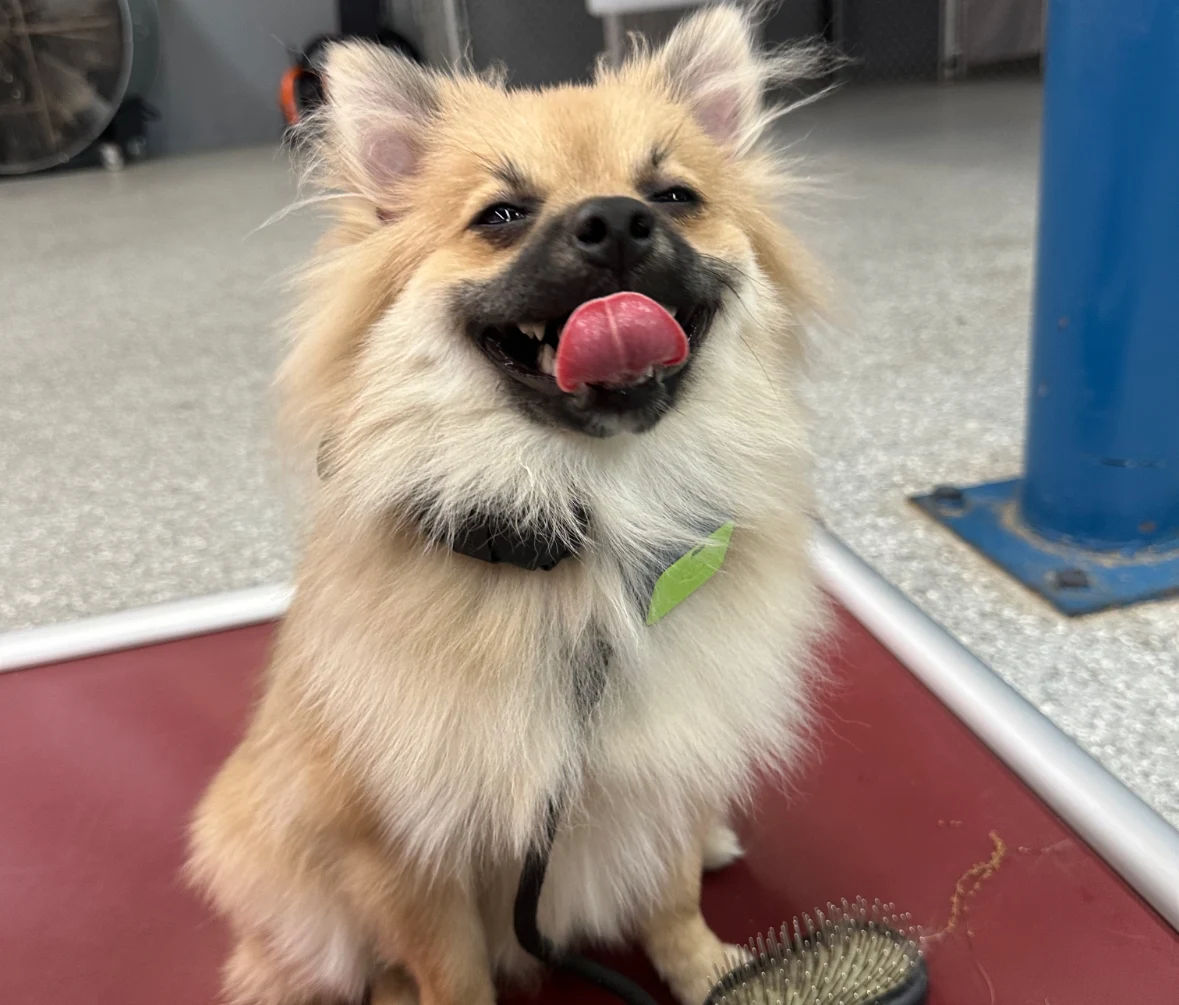
Jumping can occur during excited greetings, but it can also accompany anxiety, uncertainty, or overarousal. Look at the dog’s whole body and the situation rather than assuming that jumping, wagging, or licking means the dog wants contact.
Repeated backing away, freezing, stiffness, growling, or snapping should prompt you to stop the greeting and create space. Behaviors sometimes described as calming signals, including lip licking, yawning, and head turning, also need to be interpreted in context.
Some dogs also jump and mouth when they become overexcited. This does not necessarily mean the dog is aggressive, but if mouthing turns into hard nips, treat it as a sign that your dog needs more structure and possibly professional guidance.
How to Stop a Dog From Jumping on People: Core Training Steps
The steps below work best together. Management keeps your dog from practicing the habit, while training gives it something better to do.
Manage First
Prevent jumping while your dog learns. During supervised greeting practice, an adult can hold the leash or use a suitable gate to manage access to visitors. Keep small treats ready so you can reward four paws on the floor before your dog jumps.
Teach Four Paws on the Floor
The AKC describes a “four on the floor” exercise that rewards a dog before it has a chance to jump.
- With your dog on leash, have a helper walk toward you.
- Toss small treats on the floor near your dog’s front paws as the helper approaches.
- Keep treats landing low while the helper says a quiet hello.
- If your dog jumps, the helper turns and walks away, and you stop feeding. Try again with more distance.
Make Sit the Greeting
A dog cannot sit and jump at the same time. Practice sit in calm moments first, then ask for it just before someone greets your dog. Petting only happens while your dog’s rear end stays on the floor.
Use Place When the House Gets Busy
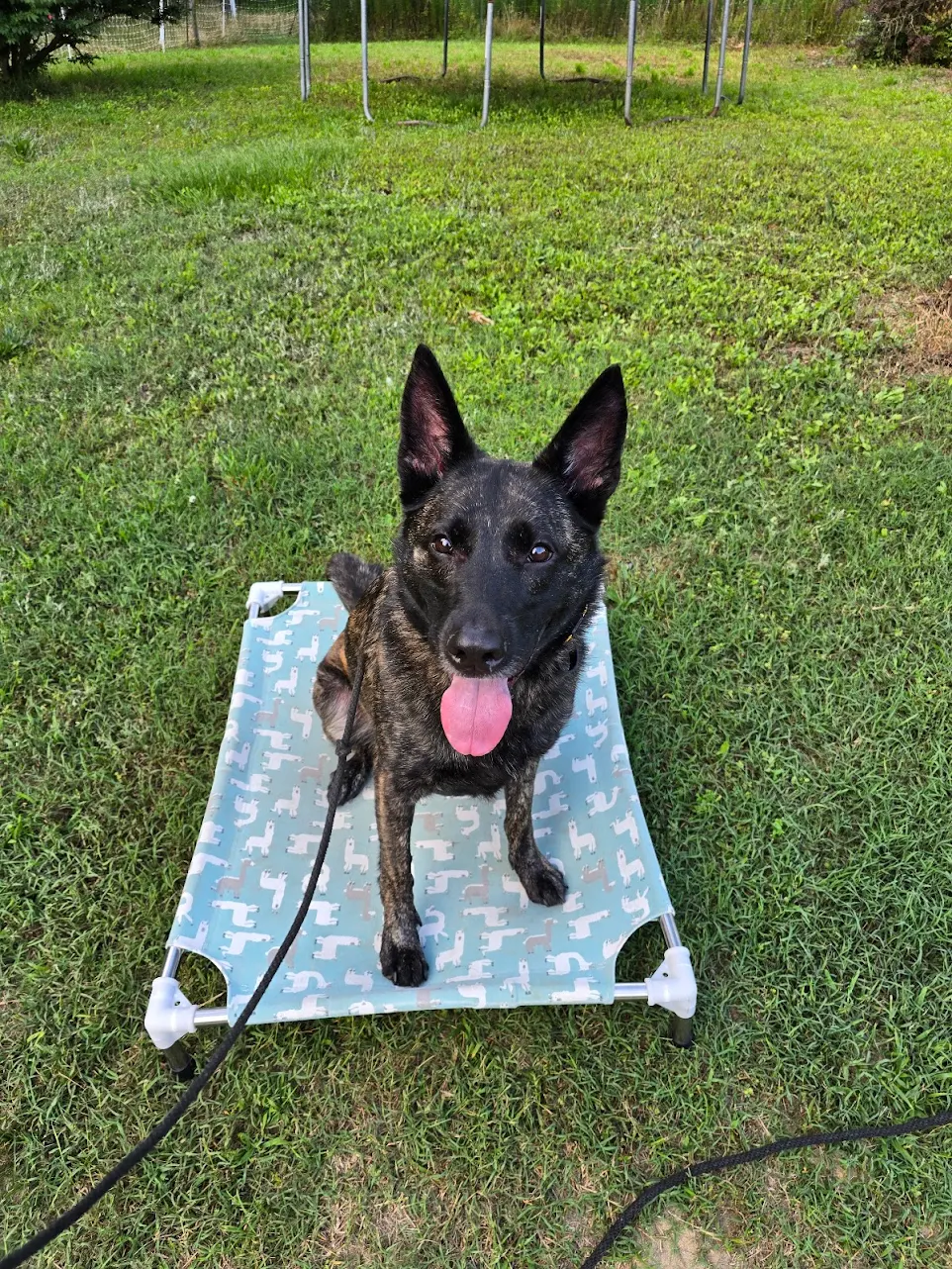
A mat or raised bed gives your dog a clear job during deliveries, guest arrivals, and family dinners. For a step-by-step method that also ties place to the doorbell, see this guide on teaching place for calmer greetings.
Reward Calm, Every Time
Notice and reward calm moments, not just the absence of jumping. Everyone in the household should follow the same rule: four paws on the floor earns attention, and jumping makes attention disappear.
Handling Guests, Walks and Unfamiliar People
Jumping often shows up in the same few places. Planning for each one keeps your dog from rehearsing the habit.
When Guests Arrive
Visitors who don’t know your training plan can accidentally reward jumping. Before they enter, explain your chosen greeting behavior, such as standing with four paws down or sitting comfortably. Allow brief contact only if your dog approaches willingly, and ask guests to avoid leaning over or reaching toward a hesitant dog. Use a supervised leash or suitable gate as needed.
On Walks
Ask people to wait before approaching your dog. Keep enough distance for your dog to respond comfortably, and reward four paws on the floor or a comfortable sit. Hold the leash securely without keeping it constantly tight. If your dog becomes too excited or hesitant, create space and skip the greeting.
Around Unfamiliar People
Practice with cooperative friends and family before you try greetings with strangers. It’s perfectly fine to say, “Thanks, but we’re in training,” and keep walking.
Keeping Children, Older Adults and Other Vulnerable People Safe
A jumping dog can knock over a child, an older adult, or anyone with balance or mobility concerns, even when the dog means well. The AKC notes that seniors and children are especially at risk of being knocked down.
- Keep your dog leashed or gated when young children or older relatives visit.
- Don’t ask small children to run greeting drills. Adults should do the training.
- Supervise all greetings, and end the visit early if your dog becomes overexcited.
Training Puppies, Adolescent Dogs and Adult Dogs
Puppies, adolescent dogs, and adults can learn polite greetings. Adjust practice to your dog’s development, comfort, and experience. Adolescents may find familiar exercises harder around distractions, while dogs with a long history of jumping may need more gradual practice and management.
Puppies: Start right away, even if jumping seems cute now. Keep sessions to a minute or two and reward any moment when all four paws stay down.
Adolescent dogs: Dogs in this stage may suddenly seem to forget their manners. Training progress varies, so lower your expectations around new people and keep management in place.
Adult dogs: Older habits take patience to change. Add management first, then build greetings with familiar people before working with visitors. If an older dog seems stiff or sore, check with your vet before practicing lots of sits.
Common Mistakes and Realistic Expectations
A jumping dog does not need to be “put in its place.” Setbacks can happen when instructions are inconsistent, the greeting is too exciting, the dog is uncomfortable, or the exercise is harder than the dog has practiced.
Mistakes to Avoid
- Inconsistent responses. If one family member allows jumping and another doesn’t, your dog will keep trying.
- Rewarding jumping with attention. The AKC explains that pushing a dog away can still count as attention. Turning away works better.
- Punishment or physical corrections. Kneeing a dog in the chest, stepping on toes, leash jerks, and yelling can cause stress or injury. PetMD also advises against kneeing and other physical punishment for jumping.
- Training only with family. A dog that greets you politely may still jump on visitors until it practices with them too.
Why Progress Varies
Some dogs improve quickly, while others need more time. Age, energy level, how long the habit has been practiced, and how often guests visit all play a role.
Expect occasional setbacks, especially with exciting visitors or new places. With patience and consistent practice, calm greetings can become your dog’s new habit.
When to Get Professional or Behavior Support
Consider professional support if jumping comes with growling, snapping, stiff body language, or signs of fear, or if your dog is strong enough to knock people down. Talk with your veterinarian first if the behavior changes suddenly, since pain or illness can affect how a dog behaves.
VCA Animal Hospitals explains that behavior problems can have medical causes, behavioral causes, or both. If your vet rules out a medical cause, the AKC suggests working with a behavior professional whose credentials you can verify.
When jumping involves aggression, training can improve control and management, but complete fixes can’t be guaranteed.
For friendly jumpers who simply need more structure, owners across Hampton Roads, including Virginia Beach, Norfolk, Chesapeake, Hampton, and Newport News, can explore dog obedience training in Hampton Roads with in-home lessons, or a board and train program that includes greeting manners.
Teaching Calm Greetings That Last
Learning how to stop a dog from jumping on people starts with understanding the situation and teaching an appropriate alternative. Manage the moments when jumping is most likely, reward four paws on the floor, and keep household expectations consistent. Give hesitant dogs space and seek help when greetings involve fear, aggression, or a risk of injury.
If you’re a Hampton Roads dog owner and want support with polite greetings and everyday obedience, request a free phone consultation or call (757) 296-8366. You can also compare current training programs and pricing to explore the available formats.
Frequently Asked Questions
Should I ignore my dog when it jumps on me?
For manageable attention-seeking jumping, briefly pause interaction and reward four paws on the floor. If turning away leaves you vulnerable to being knocked over or bitten, use distance or a barrier instead. Seek professional guidance when jumping involves fear, hard mouthing, growling, or snapping.
Is it okay to let my dog jump on me but not on guests?
Dogs can learn different greeting rules, but the distinction needs clear cues and consistent practice. A four-paws-on-the-floor rule for routine greetings is often easier for household members and visitors to follow. Consider the risk of accidental jumping before encouraging it in any situation.
Will my puppy grow out of jumping?
Many puppies don’t simply outgrow jumping, because it keeps getting rewarded as they grow. Starting polite greetings early is the easiest way to prevent a long-term habit. Expect some backsliding during adolescence and stay consistent.
Why does my dog only jump on certain people?
Dogs often jump most on people who respond with excitement, such as laughing, talking, or petting. Some dogs also jump more with people they see less often or find especially exciting. Ask those people to follow your greeting rules, and practice with them on leash.
Does kneeing a dog in the chest stop jumping?
It is not recommended. Kneeing can injure a dog, add fear or stress, and damage trust, and some dogs still treat it as attention. Turning away and rewarding four paws on the floor teaches the lesson without those risks.