Key Takeaways
- Off-leash skills are built on leash first: recall, attention, stay, place, heel, and leave it.
- Progress in stages, from the house to a long line to a secure fenced area, then limited real-world practice.
- Add distractions slowly and keep rewarding your dog for coming back.
- Follow local leash laws. Off-leash freedom is only for places where it’s allowed and safe.
- No dog responds perfectly every time, so reliability takes ongoing practice.
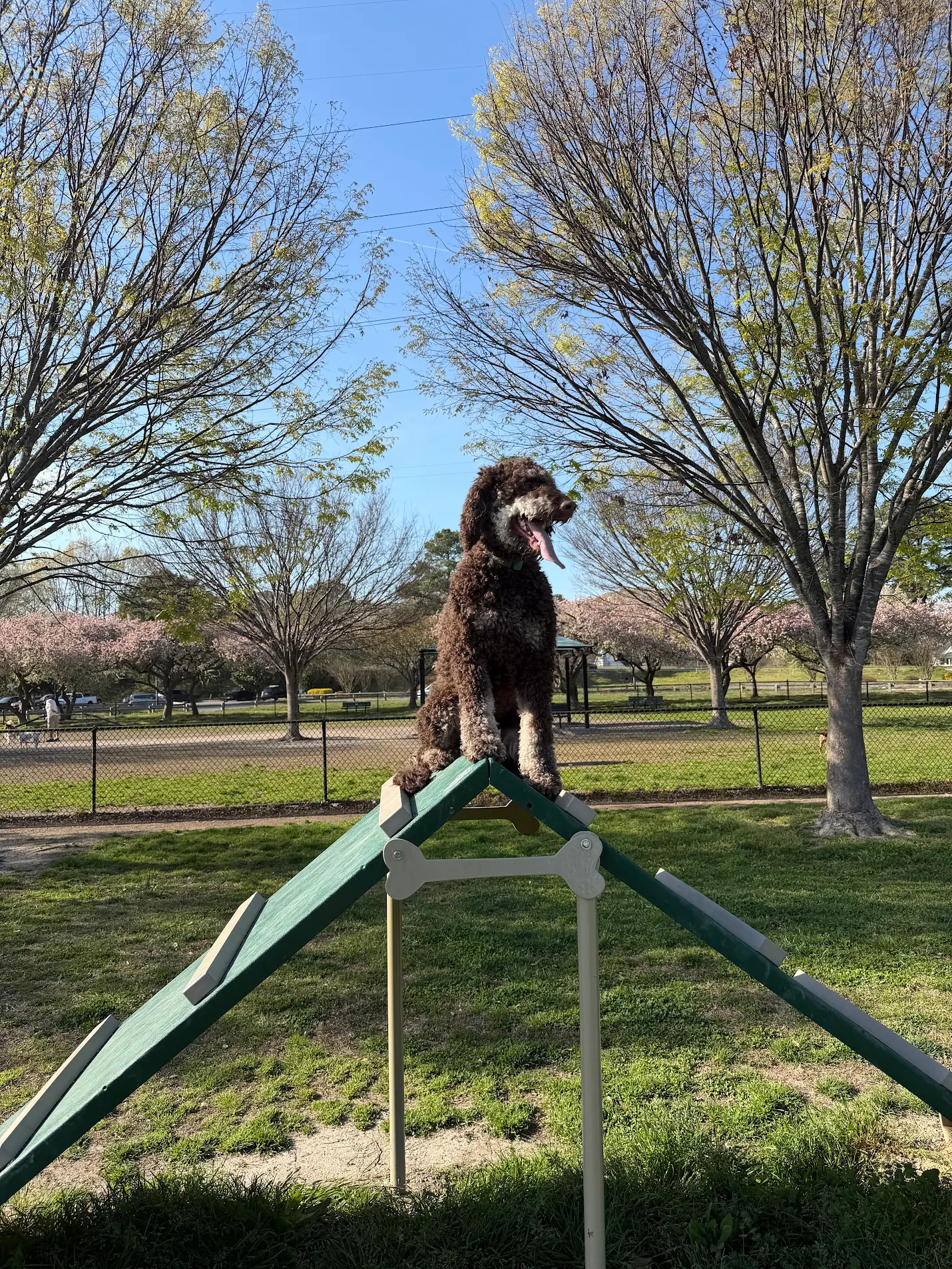
Picture your dog trotting beside you in a fenced field, checking in and turning on a dime when you call. Many owners want that kind of freedom, and learning how to train a dog off leash is a realistic goal for many dogs. It just takes a solid foundation, patience, and a plan that puts safety first.
This guide explains what off-leash training really means, which skills to build before the leash comes off, and how to add distractions without setting your dog up to fail. You’ll also find guidance for puppies, adolescents, adult dogs, and rescues, common mistakes to avoid, and what to know about leash rules around Hampton Roads.
One honest note before we start: off-leash training improves reliability, but it can’t make any dog perfect. Good judgment about where and when to unclip matters as much as the training itself.
What Off-Leash Training Means (and How It Differs From Basic Obedience)
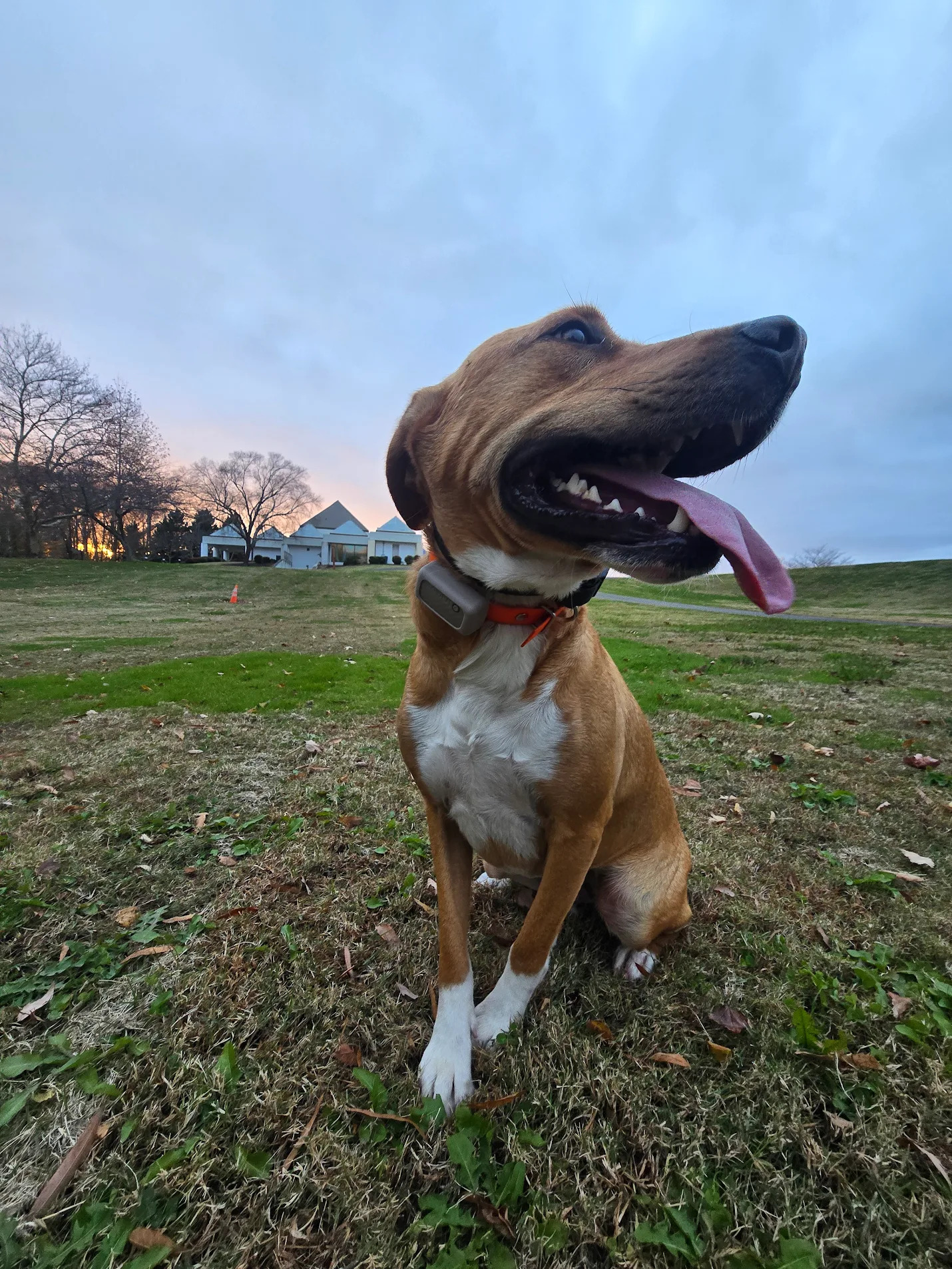
Off-leash training teaches a dog to stay close, pay attention, and respond to cues without a leash for backup. Basic obedience teaches the cues themselves, usually with a leash attached. Off-leash training tests those cues around real distractions, at a distance, when the dog has a choice.
A dog that sits nicely in the kitchen may still ignore you when a squirrel runs past at the park. That gap is what off-leash dog training works to close.
Before considering off-leash activities, build consistent check-ins, recall around distractions, an emergency stop, and reliable Leave It and Drop It cues. Practice these skills in securely fenced spaces before relying on them in less controlled settings.
The Foundation Comes First: Skills to Build on Leash
Build consistent responses before removing the leash. Practice familiar cues on a regular leash, then on a long line in a safe setting. Success on leash is a foundation for off-leash work, but it does not guarantee the same response when the leash comes off.
These are the skills to strengthen first. For step-by-step basics, see this guide to essential commands for dogs.
Come (Recall)
Recall is the most important off-leash skill. Make coming to you the best thing that happens all day, with treats, play, and praise. Avoid calling your dog only to end something fun.
Attention
A dog that checks in with you on its own is easier to recall. Reward eye contact and voluntary check-ins during walks.
Sit and Stay
A reliable sit or stay lets you pause your dog when a jogger, bike, or child passes.
Place
Place teaches your dog to go to a spot and settle. It’s useful for calm breaks during outings.
Heel
Heel teaches your dog to stay close when passing distractions. Keep your dog leashed near traffic and give unfamiliar people and dogs enough space. Strong leash manners provide a useful foundation for this skill.
Leave It
Leave It can stop your dog from grabbing trash, wildlife, or dropped food. It’s a safety cue as much as a manners cue.
How to Train a Dog Off Leash: A Step-by-Step Plan
Move to the next stage only when your dog is succeeding at the current one. If things fall apart, step back without frustration.
1. Practice at Home and in the Yard
Start with short recalls in the house, then in a fenced yard. Call once, reward generously, and release your dog to go play again so coming back doesn’t always mean the fun ends.
2. Use a Long Line
A long line lets your dog practice at a distance while you maintain a safety connection. Choose a length you can manage in the available space, attach it to a well-fitted harness, and use it to prevent wandering rather than pulling your dog back to you.
In unfenced areas, hold the line securely while keeping enough slack for comfortable movement. Practice recalls at manageable distances and reward each return. Never wrap the line around your hand or body, keep it clear of legs and obstacles, and avoid letting your dog sprint to its end.
3. Train Off Leash in a Secure Fenced Area
Once recall is strong on the long line, practice without it in a securely fenced space. Begin with familiar, quiet areas and keep sessions short and successful.
4. Add Distractions Gradually
Introduce one distraction at a time and start at a distance. For example, practice while a family member walks by, then while someone plays with a ball, then near a calm dog behind a fence. If your dog misses a recall, increase the distance or lower the excitement level.
5. Try Limited Real-World Practice Where It’s Allowed
Consider unfenced practice only where off-leash dogs are permitted and after carefully assessing your dog’s responses and the surroundings. If you use a long line as backup, keep hold of it. Stay with fenced spaces or managed long-line practice if there is a meaningful risk of escape, chasing, or unwanted approaches.
Why Recall Reliability Varies From Dog to Dog
Recall reliability depends on age, temperament, training history, environment, and how exciting the distraction is. A dog with strong prey drive may struggle around wildlife, while a nervous dog may bolt from sudden noises. Even well-trained dogs can miss a recall when something is tempting or frightening enough.
Sudden noises, wildlife, or frightening encounters can cause even a well-trained dog to run. Before each outing, assess escape routes, nearby hazards, and whether you can safely manage your dog if something unexpected happens.
Breed tendencies, energy level, and past experiences also matter. Training progress varies, and a dog that does well in one setting may need extra practice in another.
Puppies, Adolescent Dogs, Adult Dogs and Rescue Dogs
Every age and background brings different strengths and challenges. Puppies can start recall games early, adolescents may become more distractible, adult dogs may need familiar habits reshaped, and newly adopted dogs may need time to feel comfortable and learn your cues.
Puppies. Start with fun recall games, name recognition, and short sessions in safe spaces. A young puppy’s tendency to stay close does not establish dependable recall. Continue using secure enclosures or a managed long line as your puppy becomes more interested in exploring.
Adolescent dogs. Attention and responses to distractions can change during adolescence. Keep management and rewards in place, and adjust the difficulty to your dog’s current performance rather than assuming that reaching a certain age makes off-leash activity appropriate.
Adult dogs. Adult dogs can learn off-leash skills, though dogs with a history of ignoring recall may need extra time on the long line.
Rescue dogs. Give a newly adopted dog time to bond with you before testing freedom. Unknown history, fear, or strong prey drive can make off-leash time risky, so move slowly and get guidance if you’re unsure.
Common Off-Leash Challenges and Mistakes
Giving more freedom does not automatically build off-leash reliability. Setbacks can happen when distractions increase too quickly, practice is inconsistent, or a dog becomes frightened or overwhelmed. Return to a manageable setting and reassess what changed.
Common Challenges
- Chasing wildlife. Squirrels, deer, and birds are powerful triggers. Practice leave-it and recall around wildlife at a distance, on a long line.
- Ignoring recall. If your dog ignores you, go back to an easier setting and rebuild success.
- Approaching unfamiliar dogs. Not every dog wants a visitor. Recall your dog before it reaches another dog, and keep it close when others are leashed.
- Distraction by people. Joggers, children, and picnics can be exciting. Practice heel and sit near people before unclipping.
Mistakes to Avoid
- Removing the leash too early. If recall isn’t solid on a long line, it isn’t ready for open spaces.
- Inconsistent recall practice. Recall fades if it isn’t practiced and rewarded regularly.
- Repeating the cue. Calling “come, come, come” teaches your dog that the first call is optional. Say it once, then help your dog succeed.
- Calling only to end the fun. Mix in recalls that end with a reward and more play.
- Practicing in unsafe environments. Avoid roads, parking lots, and unfenced areas near traffic.
- Punishing a slow return. Scolding a dog that comes back late teaches it that coming back isn’t worth it.
Off-Leash Safety and Leash Laws in Hampton Roads
Off-leash obedience in a fenced yard is not the same as safe behavior in public. Before unclipping anywhere, confirm that off-leash dogs are allowed there and that the area is safe from traffic, wildlife hazards, and crowds. Local leash rules apply no matter how well-trained your dog is.
Virginia localities can adopt leash and restraint requirements. Before an outing, check the rules for the specific city or county and the property you plan to visit.
In Virginia Beach, confirm the current requirements for the specific park, beach, sidewalk, or other public space you plan to visit. Check seasonal restrictions and posted rules before allowing your dog off leash.
If you live in Norfolk, Chesapeake, Hampton, Newport News, or Suffolk, check your city’s code or Animal Services for current rules. Parks, trails, beaches and neighborhood common areas may also have their own posted rules. Never assume a dog can be off-leash in any park, beach, or public space.
Even in legal off-leash areas, keep your dog in sight, recall it before it approaches people or other dogs, and leash up when the area gets busy.
Realistic Expectations and When Professional Help Makes Sense
Off-leash reliability is built over time and maintained with ongoing practice. Some dogs earn more freedom than others, and some may always need a long line or fenced area to stay safe. That’s not a failure. It’s good judgment.
Continue rewarding recalls throughout your dog’s life, especially around difficult distractions. Use rewards your dog values and keep practicing in different safe settings to maintain the skill.
Consider professional help if your dog has unreliable recall, strong prey drive, reactivity toward dogs or people, or a history of running off. Owners across Hampton Roads can explore dog obedience training in Hampton Roads with private in-home lessons, or a board and train program that includes off-leash walking and recall with distractions. A trainer can help you decide whether off-leash time is a safe goal for your dog.
Freedom Built on Trust
Learning how to train a dog off leash is a gradual process, and off-leash time is earned one small success at a time. Build strong cues on leash, use a long line and secure fenced spaces, add distractions gradually, and always follow local leash laws. Keep practicing, even after your dog seems ready.
If you’re a Hampton Roads dog owner looking for support with obedience, recall, and responsible off-leash skills, a free phone consultation at (757) 296-8366 is a good place to start. You can also contact a local trainer to talk through your dog’s needs and goals.
Frequently Asked Questions
How do I start off-leash training?
Start by strengthening recall, attention, and basic cues on a regular leash at home. Then practice on a long line, followed by a securely fenced area. Move on only when your dog is responding reliably at each stage.
How long does off-leash training take?
There is no set timeline, because progress depends on your dog’s age, temperament, history, and how often you practice. Many dogs need months of consistent work to build dependable recall around distractions. Even then, off-leash skills need ongoing practice to stay strong.
Can puppies learn off-leash skills?
Puppies can start learning recall, name response, and attention games early. However, they should practice in safe, enclosed areas or on a long line, since their focus changes as they grow. Expect some backsliding during adolescence.
Which commands matter most for off-leash training?
Come is the most important, followed by attention, leave it, sit, stay, place, and heel. Together, these cues help you call your dog back, pause it, and keep it close in busy areas. Each should be reliable on leash before you rely on it off leash.
Are all dogs suitable for off-leash activities?
No. Dogs with strong prey drive, reactivity, fear, or a history of running off may not be safe off-leash in open areas. Many of these dogs can still enjoy fenced spaces or long-line adventures, and a qualified trainer can help you decide what’s safe.